Why Mom and Dad Embroidery Becomes a Bestselling Gift Stitch
Every machine embroidery designer knows the moment a new design lands in your digital library. You open the folder, scan the thumbnail, and immediately picture it stitched out on at least five different products. That’s exactly what happened when I downloaded the Mom and Dad design for my small shop. As an embroiderer who builds product lines around emotional connection and giftability, I tested this design not just on scrap swatches, but in my mind, on real-life customer orders. Here’s my honest, practical review of this Family Quotes machine embroidery design, written for makers who think like store owners.
First Impressions: Sweet, Simple, and Overflowing with Heart
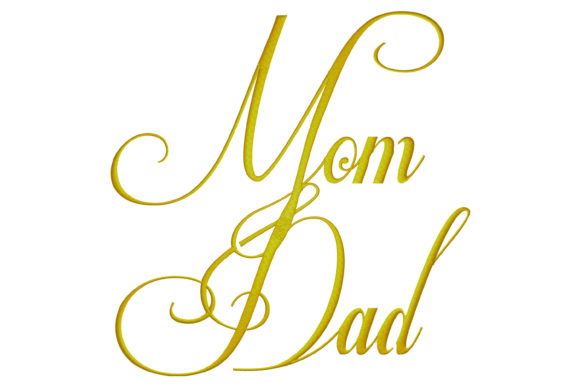
The Mom and Dad design immediately reads as warm, inclusive, and universally appealing. There’s no gender leaning, no overly fussy flourishes. Its charm lies in straightforward, high-contrast lettering that looks equally at home on a nursery pillow as it does on a wedding keepsake. The mood leans classic-modern: sentimental but not corny, elegant but not cold. For a personalized gift product, that balance is gold. It appeals to buyers shopping for a new parent, a grandparent, or a couple celebrating decades together.
I imported the embroidery file into my software to study the flow. The typography felt gentle yet confident. There’s a hand-touched rhythm that stops short of being overly script-like, which means it won’t disappear on textured fabric or distort easily on curved surfaces. The design immediately sparked five mockups in my head, and any digital embroidery file that does that deserves a serious look.
Turning a Simple Phrase into a Gift: Product Ideas That Sell
The beauty of a name-neutral, relationship-based phrase like Mom and Dad is its versatility. It doesn’t tie you to a single event, season, or age group. I mapped this design onto my entire product range, and here’s where it felt like a natural fit:
- Baby embroidery sets: Stitch it on a baby blanket, burp cloth, or onesie set for a newborn gift. Paired with a birth announcement date, it becomes an instant heirloom.
- Wedding gifts and anniversary keepsakes: Embroider it on a set of pillow covers, a custom kitchen towel, or a framed hoop art piece. Couples receive gifts that rarely speak directly to their new identity. This fills that gap.
- Nursery decor: Think framed blanket embroidery, a soft tote bag for hospital trips, or a plush cushion that sits on a reading chair.
- Everyday heartwarmers: An embroidered towel set for the parents’ bathroom, a canvas tote, or a cozy apron. These aren’t just gifts; they’re daily reminders in thread.
- Craft fair and Etsy seller staples: One design, many SKUs. A single stitchout on a printable mockup can advertise multiple finished product listings, from tea towels to zip pouches.
Because the phrase is so broad, it also works beautifully for shop owners who create custom order previews. You can send a client one digital mockup and let them choose the blank: a throw blanket, a canvas bag, or a soft knit pillow cover. That flexibility boosts your perceived value without adding design time.
Where to Stitch with Extra Care: Fabrics, Textures, and Tender Spots
No design is perfect everywhere, and honest testing means calling out where Mom and Dad needs a gentle hand. I stitched it on several blanks to see where friction appeared.
Small lettering close-ups: The thinnest strokes in the word "and" or the loop of a letter can close up if you push thread tension too high or use a fluffy fabric. I recommend avoiding dense fleece or high-pile minky for this design unless you’ve done a stabilized test run.
Thick towels and textured weaves: On a terry towel, the lettering must be clear enough to rise above the loops. Using a water-soluble topper became non-negotiable here. The design stitched beautifully when I floated a medium-weight cutaway stabilizer and added the topper to stop stitches from sinking into the pile.
Stretchy baby clothes: On a cotton-spandex onesie, the phrase held its shape well when I used a fusible mesh stabilizer and avoided hooping too tightly. The worst mistake would be pulling the fabric, which distorts the word spacing and ruins that clean, modern look.
Dark fabric and thread color contrast: The design relies on clear visual separation. On black linen, I tested a soft gold thread. The effect was striking but required careful light placement. I recommend always stitching a sample on the exact blank and thread color you plan to sell. A design that looks airy on white can feel clunky on charcoal if the stitch density wasn’t planned for that contrast.
Frequent washing concerns: For kitchen towels or baby items that face regular laundering, I dialed back the stitch density ever so slightly in my software (if the embroidery file allowed editing) or chose a satin stitch path that already sat comfortably. The last thing a parent wants is a cracked letter after ten washes. Test-wash one finished product before listing it.
The Giftability Factor: How This Design Elevates Your Brand
When a customer sees Mom and Dad stitched cleanly on a pillow cover, something quiet happens. They don’t just see thread; they see their own parents, their partner, or the couple they’re celebrating. That instant emotional mirror is what turns a simple handmade product into a bestselling personalized gift. I’ve found that designs with positive emotional triggers lead to higher buyer engagement in listings, especially on Etsy. Shoppers linger longer on photos that show the design in a real setting: draped on a nursery chair, folded on a bed, wrapped around a bouquet.
From a small shop owner’s perspective, this design increases average order value because it naturally encourages pairing. Buy the pillow cover and add the towel set. Bundle it with a digital gift card envelope. The perceived value jumps not because you charge more per piece, but because the design itself carries meaning that customers want to share.
Customer trust grows when the stitchout is crisp, the stabilizer choice is invisible from the back, and the finished product feels like something they’d find in a boutique. That trust leads to reviews, repeat buyers, and higher confidence in your brand’s handmade quality. And because the phrase is timeless, you won’t be stuck with seasonal overstock; these items sell all year long.
Before You Hoop: Practical Embroiderer’s Checklist
Every new design should go through a structured test, especially one you plan to stitch for commercial embroidery. Here’s the routine I followed with Mom and Dad, and I recommend you do the same:
- Confirm the design specs: Since the product description says it includes multiple embroidery file formats but cuts off short, I reached out to the supplier to verify exactly which formats are included, the native hoop size, and the precise stitch count. Never assume; a missing format can delay a customer order.
- Review stitch density on scrap fabric: I stitched the design on medium-weight cotton first. That gave me a baseline for thread coverage and push/pull compensation. If density feels off, adjust before wasting your good blanks.
- Check thread color contrast: Light thread on light fabric can wash out; dark on dark can lose definition. Test your thread colors against at least three fabric shades. I keep a small swatch book of my favorite color combinations just for pre-production checks.
- Use proper stabilizer: For most gifts—towels, bags, pillow covers—cutaway stabilizer offered the best long-term durability. For lightweight baby clothes, a fusible no-show mesh kept the back soft without sacrificing stitch integrity.
- Test on curved surfaces: If you plan to stitch on a baby hat, a stuffed animal ear, or a curved bag panel, hoop as flat as possible and use a topper. The design’s even outline meant only minimal distortion on gentle curves, which pleased me.
- Compare light and dark fabric mockups: Even before stitching, I ran digital previews in my software. Some areas that looked airy on beige became heavier on navy. That told me where to watch for thread breaks or excessive density.
- Verify commercial licensing: The listing implies use on products for sale, but if terms aren’t clearly spelled out, ask. I only stitch designs for resale when the creator explicitly grants commercial embroidery rights. Don’t risk your shop’s reputation over a licensing gray area.
Final Threads: A Design That Pays for Itself in Sentiment
After multiple stitchouts, fabric tests, and mental mockups for client requests, Mom and Dad earns a permanent spot in my digital embroidery file library. It outperforms many family quotes designs because it doesn’t rely on trendy fonts or seasonal appeal. Its strength is its quiet, supportive presence. When a customer opens a package and sees that phrase stitched perfectly on a soft blanket, they aren’t just impressed by your stitching; they feel seen. That’s the difference between a forgettable product and a repeatable gift bestseller.
If you’re a handmade seller, an Etsy shop owner, a baby product creator, or a wedding gift designer, add this design to your collection with confidence. Take the time to test it on your core blanks, check your thread colors against real fabric, and always confirm licensing and file formats before you list your first finished product. In a market flooded with generic phrases, Mom and Dad stands out by simply getting to the heart of the matter. That’s the kind of embroidery that moves people—and moves products.