The Dripping Border: A Designer’s Review for Craft Fair Success
As an embroidery designer preparing for a weekend craft fair, every design file I choose goes through a rigorous real-world review. It’s not just about whether a design is cute; it’s about whether it sells, looks good in person, and is practical to produce in batches. Today, I’m looking at Dripping Border, a new addition to my collection of borders, and evaluating its potential for my booth filled with tote bags, aprons, tea towels, and handmade gifts.
First Impression: Sweet, Soft, and Decorative
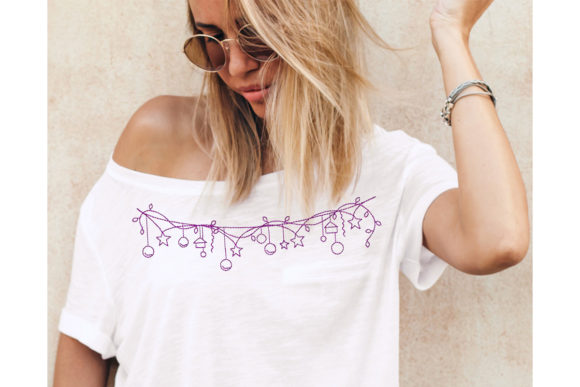
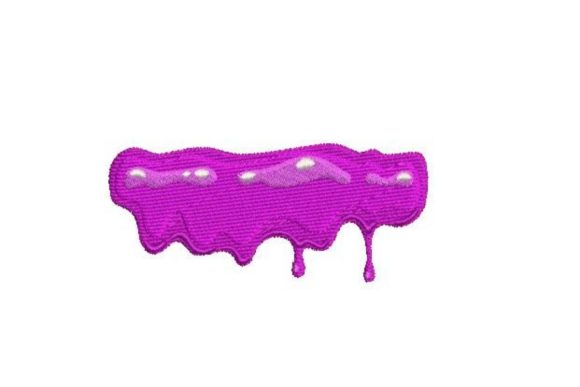
The name Dripping Border conjures an image of something fluid and playful. This isn’t a bold, geometric pattern or a rustic farmhouse motif. It leans into a cute, soft, and decorative aesthetic. That’s a powerful niche. At a craft fair, amidst louder designs, a gentle, charming border can attract customers looking for something personal and subtly whimsical. It feels giftable and approachable, which is key for engaging buyers browsing a handmade market.
Where Dripping Border Stands Out on Products
My table display is my battlefield. I need designs that perform across different products to maximize my time and materials. Here’s how I see Dripping Border performing:
- Tote Bags & Market Bags: As a border along the top or bottom hem, it adds a premium, custom touch without overwhelming the bag. It transforms a simple bag into a “made-with-care” product.
- Aprons & Kitchen Towels: This is a prime spot. Embroidered along the edge of a tea towel or the bib of an apron, Dripping Border immediately elevates a functional item into a decorative kitchen accessory. It photographs beautifully for Etsy listings.
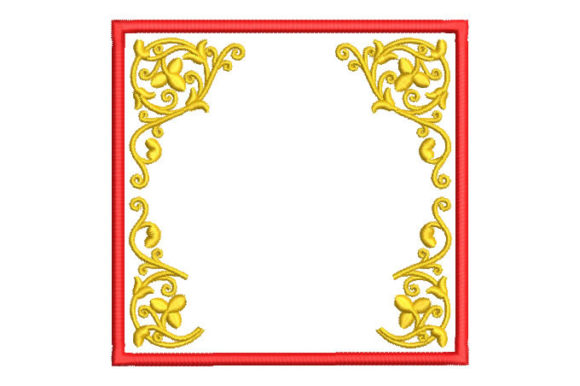
- Pillow Covers & Pouches: As a framing element on a pillow cover or a fabric pouch, it creates a cohesive, finished look that feels intentional and designer-made.
- Caps: Borders can be tricky on curved surfaces, but if the design’s scale is right, running it along the back seam or front panel of a cap could yield a unique, trendy product.
- Embroidered Patches: This is a fantastic application. Turning Dripping Border into a standalone patch allows for endless versatility—customers can add it to anything. It becomes a small, high-value item perfect for impulse buys at my booth.
The design’s description notes it “can be us,” which implies versatility across formats. For crafters, having multiple embroidery file formats is crucial for different machines and projects, making batch production smoother.
Practical Production & Selling Points
Craft fair success hinges on efficiency and quality. Here’s my professional take on producing Dripping Border.
Ease of Understanding & Visual Impact
A border design needs to be understood at a glance. A customer walking past my booth should instantly recognize the charm and application. Dripping Border, with its implied soft flow, likely has that instant appeal. It works as a small accent, not a large focal design, which is ideal for faster production and lower thread cost.
The Batch Production Test
For repeatable batch production—like making twenty tea towels with the same border—the design must be consistent and not overly complex. I’d need to assess its stitch density and small details. Dense stitch areas on textured towels or thick tote bag fabric require the right stabilizer and needle to prevent puckering. I always advise: test the design on scrap fabric first, especially the actual fabrics you’ll use for your handmade products.
Photography & Online Sales
For my Etsy seller side, the design must pop in photos. A clean border on a light fabric, like a linen tea towel, will show beautifully. On dark fabrics, thread contrast is critical. I’d test high-contrast thread colors to ensure the Dripping Border doesn’t lose its delicate clarity. Creating at least one real, physical mockup is non-negotiable before listing it as a finished product online or at my booth.
Careful-Use Notes for the Embroidery Designer
Based on experience, here are specific considerations for using this machine embroidery design commercially.
- Scale & Clarity: Borders often get reduced for smaller items like patches or enlarged for pillows. Check how tiny details hold up at smaller sizes. Does it become a blur? Test it.
- Fabric Texture: Textured towels, napped fabrics, and curved cap surfaces can distort a flowing design. Proper hooping and stabilizer choice are paramount.
- Hoop Size & Spacing: The description doesn’t specify a required hoop size, so I must check those details in the actual embroidery file before planning my products. The spacing between repeating elements, if used, must be consistent for a professional look.
- Commercial Licensing: Before selling any finished product at a craft fair or online, I always confirm the digital embroidery file comes with a license for commercial use. This is a cornerstone for any small shop product.
Final Booth Strategy: Attention, Value, and Consistency
In my booth, Dripping Border will serve as a cohesive thread across products. A tote bag, a matching tea towel, and a patch all featuring the same border design creates a subtle brand consistency that savvy customers notice. It tells a story of handmade quality.
Its soft decorative mood attracts a specific buyer: someone looking for a gentle, personal touch rather than a statement piece. This can increase engagement, as it feels less intimidating and more “craftable” to the average fair visitor. Displaying it on a variety of products—perhaps a simple apron as my sample—shows its versatility and immediately answers the customer’s question: “What could I use this for?”
Ultimately, Dripping Border isn’t just a digital embroidery file; it’s a potential product line. By carefully testing its application, respecting the production nuances, and presenting it with clarity at my booth, I transform a cute border into a craft fair revenue stream. My advice to fellow boutique makers and creative entrepreneurs: see beyond the screen. Hoop it, stitch it, and hold it in your hands. That’s the only way to know if a design like this will drip success onto your sales table.