A Designer's Take: Crohns & Colitis Awareness Ribbon
Standing in my studio, surrounded by piles of fabric and half-hooped samples, I’m thinking about what to produce for next weekend’s craft fair. The Crohns and Colitis Awareness Ribbon embroidery file lands in my inbox, and I immediately start visualizing it on my table. For handmade shop owners and craft fair sellers, an awareness design isn't just a pattern—it's a potential connection with a customer who's looking for something deeply personal. This review is my practical judgment on turning this digital embroidery file into viable, sellable products.
First Impression: Cute, Supportive, and Clear
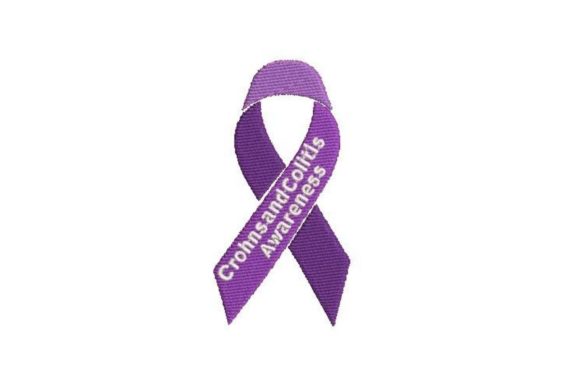
The description calls it “cute,” and that’s the right word. It’s not overly medical or somber. The ribbon motif inherently communicates support and awareness, while a “cute” execution suggests approachability. This balance is key. It feels soft and supportive, not harsh or clinical. For a boutique maker, this emotional tone is perfect: it offers compassion without heaviness, making it a giftable handmade product rather than just a statement piece. The design’s simplicity should, at a glance, be easily understood by customers walking past a busy booth.
Where This Design Stands Out on the Sales Table
My mental layout includes tote bags, aprons, tea towels, caps, and small pouches. For the Crohns and Colitis Awareness Ribbon, I’m leaning toward everyday items that see frequent use or display.
- Tote Bags & Market Bags: A large, centered ribbon on a natural canvas tote makes a bold, visible statement. It’s practical and the message travels.
- Tea Towels & Aprons: Kitchen textiles are popular craft fair products. Embroidered on a corner of a tea towel or on the bib of an apron, the design becomes a subtle, comforting daily reminder.
- Embroidered Patches: This is a versatile option. Patches allow customers to apply the support symbol to their own belongings. It’s a lower-cost item that can boost sales volume.
- Pillow Covers & Small Pouches: For a softer, home-decor feel, a small pillow cover or a fabric pouch for personal items offers a gentle touch. It feels more like a premium, caring gift.
- Caps: Be cautious here. The curved surface and typical thicker fabric of caps require careful testing. A smaller version of the ribbon on the side might work, but dense stitch areas could be problematic.
The ribbon likely works best as a medium to large focal design. As a small accent, the details might get lost, especially on textured towels or dark fabric. For my booth display, I'd feature it prominently on one standout tote bag as my sample, surrounded by the smaller items like patches and pouches to create a product range.
Practical Production Notes for the Embroidery Designer
Turning any machine embroidery design into a batch of craft fair products requires a methodical approach. Here’s my checklist for this one.
- Test on Scrap Fabric First: Always, always stitch this out on the exact fabric you plan to use—whether it’s canvas, cotton linen for towels, or twill for patches. Check for puckering and stitch density.
- Thread Contrast is Crucial: The awareness ribbon needs clear visibility. Test high-contrast thread colors on your actual fabric colors, especially on dark backgrounds. A pale ribbon on a dark bag might need a bright backing thread or careful digitizing.
- Review Hoop Size & Stabilizer: The description mentions multiple embroidery file formats, which is excellent for different machines. Before batch production, confirm the smallest hoop size the design can run in without losing detail. For towels and pouches, use the right stabilizer to maintain clarity on lighter fabrics.
- Inspect Small Lettering & Details: If the design includes any text alongside the ribbon, like “awareness” or “support,” stitch it out at the intended size. Tiny lettering can fill in and become unreadable, which hurts the handmade quality perception.
- Create One Real Mockup for Photography: Don’t rely solely on printable mockups for your Etsy listings or social media. Photograph a real embroidered tote or towel. Real stitches catch light differently and show texture, boosting buyer engagement online by showcasing true handmade quality.
- Confirm Commercial Licensing: The description doesn’t specify license terms. This is a critical step. Before selling any finished product, verify that your purchase of this digital embroidery file includes commercial use. It’s a non-negotiable for any Etsy seller or small shop product.
Selling Power: Attention, Value, and Booth Cohesion
For creative entrepreneurs, a design’s visual appeal directly impacts customer attention and product value. The Crohns and Colitis Awareness Ribbon has inherent engagement power. It speaks to a specific community and their supporters. In a booth, it can attract a customer who might be seeking exactly this symbol of solidarity. That makes it a high-value item, not in price, but in personal significance, which can justify a premium over a generic floral design.
It also strengthens booth display by showing range. Mixing awareness designs with your usual decorative work demonstrates thoughtfulness and expands your brand’s reach. However, ensure brand consistency—use your usual thread types, finishing techniques, and fabric choices so it feels like part of your collection, not an outlier.
Careful-Use Considerations for Specific Products
Some practical hurdles come from experience.
- Dense Stitch Areas: A ribbon design can have concentrated stitching. On thick fabric like cap material, this can create stiffness or distortion. Test thoroughly.
- Textured Towels: Loosely woven tea towels can make fine details fuzzy. A slightly larger size or a simpler version of the design might be necessary.
- Dark Fabric: If using dark tote bags, ensure the design file has adequate underlay and that your thread choice (like a bright white or purple) pops. It may require more stitch density to prevent the background from showing through.
- Small Sizes: If shrinking the design for a pouch or patch, clarity is key. Some intricate ribbon details may vanish. Always stitch a sample at the reduced size before committing to batch production.
Final Judgment for the Craft Fair Booth
The Crohns and Colitis Awareness Ribbon machine embroidery design is a strong candidate for a specific, meaningful product line. Its “cute” and supportive vibe makes it accessible, while its clear symbolism creates a direct customer connection. For production, focus on items where the design can be a clear focal point: tote bags and aprons for impact, tea towels and pillow covers for comfort, and patches for versatility. Its selling power lies in its emotional resonance, which can transform a simple embroidered item into a cherished purchase.
My final advice is to treat it with the same production rigor as any commercial embroidery. Test meticulously, photograph authentically, and verify licensing. With that done, this design can become a valuable, sellable part of your handmade product lineup, adding both depth and heart to your craft fair table.