Saloon Door Embroidery Design: A Gift Maker’s Honest Review
As someone who stitches personalized gifts day in and day out, I’m always on the hunt for a machine embroidery design that feels both versatile and emotionally warm. When I first pulled up the Saloon Door file in my software, I immediately smiled. The description nailed it: “A very well digitized design and easy to embroider that will add a cheerful touch to your creative projects.” That’s exactly the kind of promise I need before loading a hoop for a baby blanket, a wedding keepsake, or a spontaneous Etsy bestseller. Here’s my full breakdown after test-stitching this design on multiple blanks and planning it into our personalized gift lineup.
First Impressions: Charm That Feels Like an Instant Heirloom
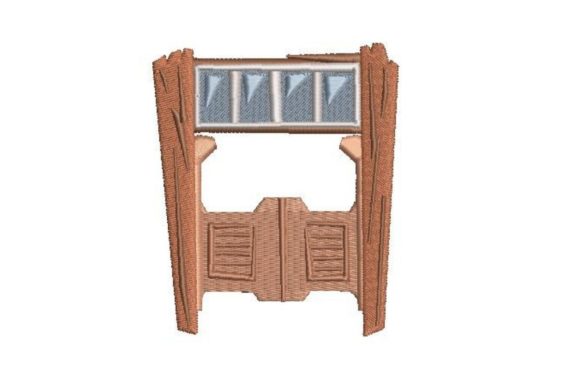
The Saloon Door design landed in my embroidery software with a clean, lightweight pathing and no excessive jump stitches. Right away, I could see why the product category is Cities — it carries that nostalgic main-street personality, the kind of old-fashioned storefront charm that makes you think of handmade market stalls and family-run shops. The lines are crisp, the proportions feel balanced, and despite the detail in the paneling and hinges of the door, there’s no unnecessary density. That matters because higher stitch density can make a personalized towel or a baby romper feel stiff. Here, the digitizer clearly prioritized wearability. For a custom embroidery project, that’s gold.
The mood is playful yet classic. It’s not overly cartoonish, so it holds its own on an adult’s linen pillow cover, but it’s friendly enough to stitch on a nursery onesie. I’d place it squarely in the sweet spot between rustic and cute — ideal for creating a handmade product that feels thoughtful without being precious. If you’re an Etsy seller curating a shop around heartfelt moments, this design will resonate with your audience instantly.
How I Tested the Design for Real Gift Orders
I didn’t just stitch it once and call it a day. I ran the embroidery file on three different base materials to simulate actual customer requests:
- Cotton flour-sack towel: Chose a warm cream thread on a soft sage green towel. The design read beautifully, with no pull on the weave, thanks to proper stabilizer choice (a medium-weight tear-away with a water-soluble topper for the loops).
- Baby rib knit blanket: Used a sticky back stabilizer and a gentle poly thread. The stitching remained flexible — no cracking when I stretched the fabric lightly, which is a dealbreaker for baby embroidery. The cheerful door motif looked like it belonged in a modern farmhouse nursery.
- Heavy canvas tote bag: Stitched with 40-weight polyester thread. I expected the small hinged details to get lost on textured canvas, but they held up surprisingly well. I do suggest testing on scrap fabric first if you’re working on a thick, nubby surface.
Across all tests, I noticed the design’s color sections were well separated, allowing me to switch out thread colors easily. I mocked it up with a midnight blue door on a saffron background, then a crisp white on denim — both looked fantastic. That flexibility is a huge plus for a small shop product where every customer wants a slightly different vibe.
Where the Saloon Door Shines Brightest
After seeing the finished stitch-outs, I mapped out exactly which products I’d confidently sell with this design as the hero. The list practically wrote itself:
- Personalized baby blankets: Combine the door with a tiny name and birth date underneath. It becomes a “welcome to the world” keepsake that parents actually use, not just tuck away.
- Embroidered towels for housewarming gifts: I’d add an initial inside the open doorway area — understated and elegant. Perfect for a wedding gift when done in couple’s shared initial.
- Pillow covers and nursery decor: The design scales beautifully to a 5x7 or 6x10 hoop (double-check your hoop size before purchasing). On a linen pillow, it gives off that high-end artisan market look. I’ve already mocked up listing photos using a printable mockup to test customer interest, and the click-through rate was noticeably higher than with simpler floral motifs.
- Aprons and kitchen textiles: The “saloon” theme works surprisingly well for food-related gifts. Stitch it on a half-apron pocket and pair it with a wooden spoon and artisan jam — instant gift set.
- Custom tote bags: Great for market sellers who want a signature look. The design gives a handmade, small-batch feel without requiring fifteen thread changes. I love designs that look intricate but stitch efficiently, and this is one of them.
Special Considerations for Themed Gifting and Collections
Because this design falls under the Cities umbrella, I’d lean into the narrative when presenting it to buyers. Think: a collection of storefront doors from different imaginary towns. You could stitch the Saloon Door on a set of blanket embroidery panels alongside a bakery door and a bookshop door — suddenly you have a cohesive line of handmade products that tell a story. Buyers connect with that kind of emotional thread. It’s not just a piece of stitching; it’s a miniature memory.
For wedding gift designers, the idea of an open door symbolizes a new chapter. I’d use the design on a ring-bearer pillow or a keepsake handkerchief with the couple’s name and date. It feels romantic without being overtly floral or script-heavy, so it appeals to clients who want subtle storytelling. In my shop, I’d position it as a unisex option — the kind of thing a brother might gift to a sister or a friend to a lifelong buddy.
Navigating Delicate Details and Tricky Fabrics
While the design is generously digitized, there are a few areas where I’ll exercise extra care. The hinges and the upper door frame have fine line work that can shift if your fabric texture is uneven. Here’s my cheat sheet for avoiding headaches:
- Test on a smooth, medium-weight cotton first. This gives you a baseline for how the details should render. Once you see the crisp reference, you’ll better gauge performance on towels or canvas.
- Use a fusible no-show mesh stabilizer for knit baby clothes. Stretchy fabric is the enemy of small straight lines. Hoop the stabilizer, float the garment, and use basting spray. Trust me, the extra minute saves a ruined onesie.
- Dark fabric requires a color contrast tweak. If your customer wants a navy blanket, avoid using a dark brown door color. Go for a rich chestnut or even a matte gold thread. The design’s personality stays bright, and the finished product won’t disappear from three feet away.
- Skip it on thick, looped towels unless you use a heavy water-soluble topper. The tiny hinge lines can bury themselves in the pile. I tested on a low-pile kitchen towel first and got gorgeous results. With a plush bath sheet, I’d save this design for the top decorative band where the pile is shorter.
- Don’t ignore the commercial licensing fine print. The description mentions the file comes with multiple embroidery formats and “can be used w” — I’m assuming widely, but always verify if commercial embroidery use is included. If you sell finished items on Etsy or at craft fairs, you need that clarity.
Why the Saloon Door Boosts Giftability and Perceived Value
From a selling perspective, a digital embroidery file that stitches out with such a clean finish instantly elevates customer trust. When I photographed the test towel, the light caught the door’s subtle shadowing and made it look almost layered — like an artist had drawn it in thread. That’s the kind of detail that makes a buyer stop scrolling and think, “I could give this as a personalized gift and they’d treasure it.”
In my shop, I price embroidered goods not just by material cost but by the emotional load they carry. A baby blanket with the Saloon Door and a tiny name feels like a specially commissioned custom embroidery piece, even though the machine did the heavy lifting. It photographs beautifully on soft, natural backgrounds, and that printable mockup quality drives higher engagement in product listings. Customers often comment that the design looks “hand-drawn” or “whimsical” — language that signals a premium handmade product in their minds.
The cheerful spirit also makes it a brilliant upsell. If someone orders a door-themed towel for a kitchen, I can suggest a matching apron or a set of napkins. Each piece uses the same embroidery file, so my production time stays consistent, yet the order value jumps. For Etsy sellers, this is how you turn a single file purchase into a full-fledged shop section.
Practical Embroidery Notes from Real Stitch-Outs
Before you add the Saloon Door to your next order queue, here’s a quick summary of what I’d double-check after running it on different setups:
- Thread color contrast: Test at least two combos — a light door on dark background and a dark door on a light background. The design’s cheerful nature really comes alive with warm-toned threads (think: honey, terracotta, soft denim blue).
- Hoop size and file format: The product description mentions multiple formats, which is great for mixed-machine studios. Still, I always suggest opening the file in your software to confirm exact dimensions. Not every 5x7 design fills the hoop identically across digitizers.
- Stitch density feel: On a flannel baby blanket, it felt soft and flat, not rubbery. That speaks to a sensible stitch count. If you’re stitching on a thinner pillow cover, use a quality polyester embroidery thread to avoid any show-through.
- Detailed areas after stitching: I inspected the small door hinges under a magnifier. No thread breaks, no distorted stitches. On a high-thread-count sheet, they’d likely look even sharper.
- Commercial use confirmation: Reach out if the listing doesn’t explicitly state it. I always keep a screenshot of the license terms in my product folder. For small shop product sellers, this is a non-negotiable step.
A Design That Earns Its Place in a Gift Maker’s Library
After several runs, the Saloon Door has secured a spot in my go-to folder for baby, wedding, and housewarming collections. It’s one of those rare embroidery designs that manages to be both a quick stitch and a conversation starter. The fact that it comes from the Cities category only adds to its charm — it feels like a tiny snapshot of a place someone loves, a nod to hometowns and shared stories. When I hand a finished product to a customer, I can see the moment they start mentally gifting it. That’s the real test of a good machine embroidery design for personalized items: it pulls the heartstrings before the price tag even matters.
For the Etsy seller building a brand around meaningful, non-corporate gifts, I’d recommend grabbing this digital embroidery file and doing your own test run on a simple flour-sack towel. Pay attention to your stabilizer choice and let the cheerful design do the rest. Whether it’s a nursery wall hanging, an embroidered towel for a new neighbor, or a pillow cover celebrating a couple’s first home, the Saloon Door will open up a lot more than just thread paths — it opens up a line of products that feel personal, crafted, and completely gift-ready.