Cow Mermaid Embroidery Design: A Designer’s Honest Review
When I first spotted the Cow Mermaid embroidery design on Creative Fabrica, I’ll admit it stopped my usual scroll-through. There’s something unexpectedly charming about a cow with a mermaid tail – it’s playful, a little whimsical, and immediately sparks ideas for handmade products. The category Fairy Tales fits it perfectly, but this is not your typical delicate princess motif. It’s a funny, lighthearted character that can appeal to children and adults who love quirky, storybook-style art. As someone who regularly tests machine embroidery design files for customer orders and my own Etsy shop, I wanted to share a detailed, real-world review. I’ll walk you through how Cow Mermaid may perform on different fabrics, what kind of projects it suits, and the little practical details that make or break a design in a production setting.
First Impressions: A Playful Motif with Storybook Personality
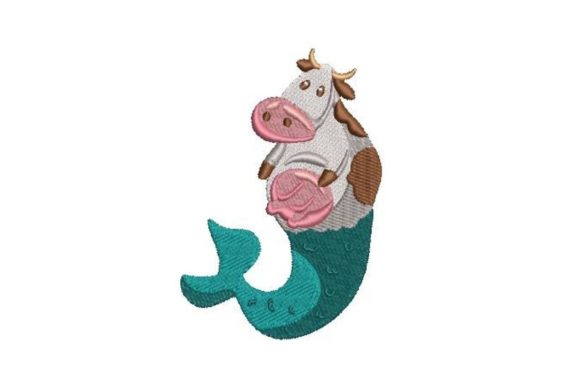
Opening the design file, the first thing I noticed was the clean, charming composition. A sweet cow face with soft, friendly eyes, a crown of flowers or maybe a little tiara (the preview on Creative Fabrica helps), and that curving mermaid tail replacing the back legs. It’s the kind of embroidery file that feels designed with applique potential in mind, though it can work entirely in filled stitches. The description says it’s “very easy to embroider and stitching perfectly to any kind of fabric,” which is a bold but reassuring claim. While no design truly behaves identically on everything from denim to delicate onesies, the statement suggests the digitizer prioritized clean underlay and sensible stitch directions. I always appreciate a design that looks like it was built for stitchers who need reliable results, not just a pretty on-screen preview.
The visual mood is definitely lighthearted, almost a nursery-rhyme character with a modern twist. It’s not overly detailed – which is good news for small-scale stitching. The face details, fin shape, and possible floral accents are likely handled with a mix of satin stitch for crisp outlines and fill stitch for solid color areas. If the file includes color stops or separate pieces for an applique design approach, that would be a bonus for speed on production runs. Overall, the first impression is: this little cow mermaid can become a signature piece for someone who markets to the fairy-tale-loving, cottagecore, or whimsical gift crowd.
What Kind of Projects Does Cow Mermaid Naturally Fit?
When I evaluate any Creative Fabrica embroidery design, I run it through a mental checklist of the projects my customers ask for most. Here’s where Cow Mermaid feels immediately at home:
- Tote bags – An adorable, conversation-starting tote design for book lovers, farmers’ market shoppers, or anyone who adores quirky animal art.
- Sweatshirts and hoodies – A fun placement on the front chest or back panel; the whimsical cow sits well on a cozy, casual garment.
- Baby and toddler items – Blankets, bibs, onesies, and soft nursery pillows. The fairy tale theme makes it a gentle, unisex choice for baby shower gifts.
- Kitchen towels and aprons – A splash of humor for a farmhouse-style kitchen. Pair it with a punny saying, and it becomes a best-seller at craft fairs.
- Pillow covers – Whether for a child’s bedroom or a whimsical reading nook, this design creates an instant focal point on a decorative cushion.
- Embroidered patches – If digitized with a merrow-style edge or dense satin border, Cow Mermaid would make a charming iron-on or sew-on patch for jackets, backpacks, or caps.
- Caps and hats – A small version on the front panel of a cap works well, especially for kids’ caps or a playful adult accessory.
- Personalized gifts – Add a name or a short quote beneath the mermaid cow, and you have a highly giftable, one-of-a-kind item for birthdays or holidays.
Because the design leans so strongly into fairy-tale fantasy, it’s also ideal for nursery decor and seasonal craft markets. I can easily see it on a Christmas stocking or as part of a “storybook creature” collection. The humor is gentle enough for everyday use but memorable enough to stand out in a saturated handmade marketplace.
Real-World Embroidery Performance: What to Expect
Of course, a cute design means nothing if it misbehaves on your machine. Based on the design’s described easy-stitching nature, I expect good results, but let’s talk about real testing scenarios.
Small Hoop Sizes and Tiny Details
If the design includes tiny lettering or very delicate features (like eyelashes or fine fin lines), you’ll want to test on your smallest hoop. The description doesn’t specify dimensions, so always check the hoop size requirement on the product page. I’d recommend a test stitch on scrap cotton first. For small hoop sizes, ensure the details don’t close up; sometimes a design digitized for a larger hoop loses clarity when scaled down by the end user. Since the product page mentions it’s easy, I suspect the digitizer kept lines open and used sensible stitch density.
Fabric Considerations
- Stretchy fabric – On a sweatshirt or onesie, use a good cut-away stabilizer to prevent distortion. The design’s fill areas might pull if the underlay isn’t optimized.
- Dark fabric – Always test thread colors for contrast. A light pastel mermaid tail could get lost on black; you might need to adjust colors slightly or add a subtle outline.
- Textured fabric – Towelling or thick terry cloth (like a kitchen towel) requires a topping stabilizer so stitches don’t sink. The design’s “stitching perfectly to any kind of fabric” promise should be taken with a grain of salt; a little extra prep goes a long way.
- Curved cap surfaces – If you’re stitching this on a cap, be mindful of the central placement. The tail curve may need to align with the cap’s seam, so a test on a similar curved scrap is wise.
Layered Details and Density
One thing I always inspect after the test stitch is stitch density. Too dense, and the design feels stiff; too light, and it looks patchy. A good fill stitch should cover firmly without causing puckering. If the design incorporates satin stitch outlines, check that they lie flat and don’t gap. The Fairy Tales category often includes flowing, organic shapes, and the mermaid tail is exactly that – a smooth, curved line. I hope the digitizer used running stitch underlay strategically so the tail retains its fluid shape on any fabric.
Adding Value to Handmade Products with Cow Mermaid
As an Etsy seller or small business owner, the designs you choose directly impact buyer trust and perceived value. A crisp, well-stitched Cow Mermaid on a quality blank instantly elevates your product photography. I can imagine styling it on a natural linen tote with a few dried flowers, and the whimsical factor would draw in customers scrolling for unique, story-driven goods. Here’s how this design can add tangible value:
- Visual appeal – The humorous yet adorable subject stands out. It’s not a generic animal; it’s a character with personality, which makes your finished item memorable.
- Giftability – People buy handmade gifts for the story they tell. A cow mermaid on a baby blanket feels like a charming nursery tale waiting to be told.
- Brand consistency – If you build a collection around fairy tale animals (maybe a dragon chicken, a unicorn pig), you create a recognizable brand voice. This design could anchor that theme.
- Commercial embroidery potential – Because it’s not overly complex, you could stitch it relatively quickly for small batch orders. That means a higher profit margin for custom apparel or craft fair inventory.
- Printable mockups – If you use design assets to create digital mockups for your shop, a clean stitched-out photo of this design on various products can be a powerful sales tool.
When a customer sees a beautifully embroidered personalized gift with this design, they’re not just buying an item – they’re buying the feeling of a quirky, heartwarming story. That’s the kind of value that commands premium pricing at markets and online.
Practical Embroidery Notes Before You Stitch
I always keep a checklist for any new digital embroidery file, and I recommend you do the same. Here are key points to run through before you stitch Cow Mermaid for a paying customer or for stock:
- Test on scrap fabric first – Run a full stitch-out on a fabric similar to your final product. Check for puckering, thread breaks, or registration issues.
- Review thread color contrast – Open the file in your software and preview with your actual thread colors. The mermaid tail might need a pop of bright aqua or soft lavender; compare on both light and dark fabric mockups.
- Confirm stitch density – If the design feels too dense, some software lets you reduce it. But be careful; changing density can alter the design’s integrity. Usually, a well-digitized file works out of the box.
- Confirm hoop size and file formats – Check the product page to ensure the design fits your machine’s hoops and that the included formats match your machine. The description mentions “multiple embr” likely meaning multiple file formats, but verify.
- Use proper stabilizer – For most garments, a medium-weight cut-away stabilizer is your friend. On knits, consider a fusible mesh to add stability without bulk.
- Inspect small details after stitching – Look closely at the face, tail tips, and any tiny accents. If something is lost, you might need to adjust scale or thread weight (though always follow digitizing guidelines).
- Check licensing on the Creative Fabrica product page – Before you sell finished items, ensure the license covers commercial embroidery use. Creative Fabrica typically offers POD and standard commercial options, but always read the terms for this specific design.
- Consider a pre-wash test – If the item will be washed frequently (like a baby blanket or towel), stitch and wash your test piece to see how it holds up. Quality digitizing should survive gentle cycles.
Who Should Stitch Cow Mermaid?
If you’re a creative entrepreneur who loves storytelling through stitches, this design is a no-brainer. It’s especially fitting for:
- Etsy sellers specializing in nursery decor, children’s apparel, or whimsical accessories.
- Craft fair vendors who need unique, eye-catching designs that prompt “Oh, that’s adorable!” from passing shoppers.
- Apparel decorators looking to add a fun, fairy tale twist to their custom apparel lineup.
- Digital product sellers who create embroidery files or mockup bundles – the design’s charm could inspire a whole themed collection.
I wouldn’t necessarily pitch this design for a corporate uniform or sleek athletic wear, but that’s not its purpose. It shines brightest on products that welcome personality and a touch of humor. And honestly, in a market where everyone has a floral monogram, a Cow Mermaid on a tote bag is wonderfully unpredictable.
Final Thoughts on the Creative Fabrica Cow Mermaid Design
After carefully considering how Cow Mermaid would perform in my own stitching lineup, I’m genuinely excited to test it. The promise of easy stitching on various fabrics is attractive, and the whimsical subject fills a niche that’s both specific and broadly appealing. While no design is a guaranteed one-size-fits-all, the friendly shape and playful mood suggest a file that’s been crafted with real project use in mind. I’ll be loading it onto my machine, pairing it with a soft sage green thread, and watching a plain canvas tote turn into a storybook piece. For anyone on Creative Fabrica browsing the Fairy Tales embroidery category, this funny cow with a mermaid tail is worth a closer look – just remember to run your test stitch, review the license, and enjoy the creative process. It’s the kind of design that makes handmade business fun.