Ringtailed Cat AZ: A Craft Fair Embroidery Review
First Impressions at the Booth
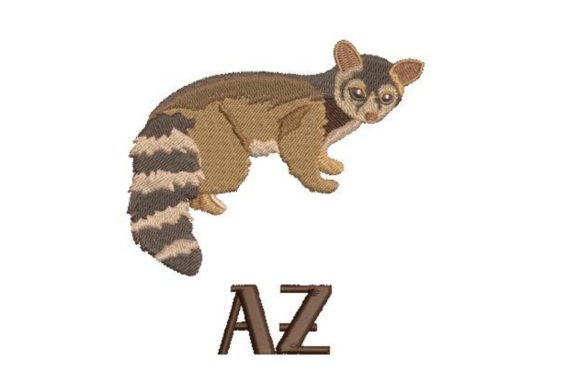
When I unzip the file and see Ringtailed Cat AZ on screen, the immediate feeling is quirky confidence. This is not a standard bear or wolf design. A ringtailed cat brings a mild southwestern charm and a hint of wild mischief that makes a booth visitor pause. The description says it is beautifully digitized, and that usually means smooth curves, clean registration, and stitch paths that respect fabric movement. I imagine it stitched on a natural cotton tote bag—the tail’s signature rings becomes the instant visual hook. For a craft fair table, that single detail can draw a customer from three aisles over. The design reads as rustic yet adaptable, and that is gold when you are trying to please everyone from farmhouse decor lovers to nature enthusiasts.
The Deciding Factor: What Makes It Sell
In a handmade market, speed of recognition matters. Ringtailed Cat AZ is not a hyper-realistic wildlife rendering. Its strength lies in a graphic, almost stylized silhouette that customers understand in half a second. That means it works as a bold focal point on an apron bib or the center back of a denim jacket. At the same time, the silhouette is distinct enough to hold its own as a smaller accent on a patch or a zipper pouch. When I judge an machine embroidery design for commercial use, I always ask: can a customer recognize it from across a crowded room? With that ringed tail, the answer is a clear yes. That boosts perceived value, because the design looks intentional and confident, not like a generic clip art drop-in.
Where Ringtailed Cat AZ Shines
This embroidery design feels made for flat or slightly structured surfaces. I immediately picture it on:
- Tote bags – The wide canvas gives the tail room to stretch. A 5x7 or larger placement lets the stitches breathe.
- Apron embroidery – Centered on the bib of a linen apron, Ringtailed Cat AZ gives a professional kitchen look that appeals to artisan bakers and home cooks.
- Tea towel embroidery – Waffle-weave or smooth cotton towels become instant hostess gifts. Pair with a simple trim and the design feels farmhouse-chic.
- Pillow covers – A rectangular throw pillow with the cat stitched in a contrasting thread against a neutral linen is a quiet statement piece.
- Fabric pouches – A cute zip pouch with this animal on one side sells fast as a small impulse buy at the register.
- Embroidered patch – If digitized with clean borders, this can be a strong standalone patch for backpacks or jackets, especially for outdoor markets.
I would avoid small curved surfaces like unstructured caps unless the design is scaled carefully. The tail rings need a clear, unbroken stitch path, and a curved cap seam can distort that instantly.
Understanding the Stitch and Scaling Behavior
Because the product description mentions beautifully digitized, I expect the stitch density to be balanced—not too heavy that it puckers lightweight fabrics, and not so light that the thread breaks during wash. Still, every experienced seller tests first. Tiny details like whiskers or inner ear shading may look perfect on screen but can close up on textured fabric. If Ringtailed Cat AZ includes small lettering or intricate eye elements, they might demand a finer thread weight or a slightly larger hoop size. For a craft fair product being sold repeatedly, I always check if the design holds clarity at four inches tall. Anything smaller, and those signature tail rings could blend together. This is critical for patch makers and Etsy sellers who often embroider multiple sizes from a single digital embroidery file.
Color, Fabric, and Thread Contrast
The mood of Ringtailed Cat AZ shifts depending on your thread choices. An all-black silhouette on unbleached cotton feels modern and graphic. Rust, terracotta, and olive thread on cream linen pushes the southwestern vibe hard. Metallic thread in the tail rings? That turns it into a holiday ornament accent. I recommend keeping at least three thread palettes ready: a dark neutral, a warm earth tone set, and a high-contrast pop color. When stitching on dark fabric—charcoal, navy, denim—use a light thread or add a subtle satin outline so the animal doesn’t sink into the background. The design’s effectiveness as a handmade product depends heavily on that contrast. A buyer’s eye needs to catch the shape instantly.
Practical Production Notes for Batch Making
If you are prepping for a weekend market, repeatability is everything. Ringtailed Cat AZ looks like a design that can be hooped, stitched, and unhooped quickly without constant trimming or rethreading, provided the stitch count is reasonable. I still advise doing one full run on scrap fabric identical to your final product. Watch for dense areas—tails with multiple color stops can create stiffness, especially on thin tea towels. Use a quality cut-away stabilizer for knits and a tear-away for wovens. For fluffy towels, floating a water-soluble topper prevents the loops from eating the stitches. Check the hoop size required by the embroidery file; don’t assume it fits your favorite 4x4 frame. Most beautifully digitized wild animal designs need a 5x7 or larger area to really do justice to the tail detail.
Booth Display and Visual Storytelling
At a busy craft fair, Ringtailed Cat AZ can serve as your anchor design. I like to build a display around one strong motif: hang a tote bag featuring the cat at eye level, then group matching tea towels, a pocket apron, and a couple of zip pouches below. This creates a “story” that encourages bundled purchases. The ringtailed cat’s silhouette photographs beautifully for Etsy listings and social media teasers. Lay a finished product on a textured blanket with a sprig of dried greenery, and you have an instant lifestyle shot that signals handmade quality. For printable mockup lovers, dropping this design onto a digital tote bag image can test color palettes before you stitch a single thread. The design also holds its own in flat-lay photography because the shape is distinct even without dimension.
Checklist Before Selling Finished Products
Before I commit a new digital embroidery file to my commercial lineup, I run through a mental inspection. Here’s what I’d personally verify with Ringtailed Cat AZ:
- Test stitch on three fabrics – canvas, quilting cotton, and a textured towel. Watch for stitch density issues.
- Confirm hoop size – Measure the design’s actual stitching boundary. Note any jump stitches that could snag.
- Check thread colors under daylight – What looks navy on the screen sometimes reads black under market lights.
- Examine the tail rings for registration – Are the color stops aligned? Misalignment on a single head machine is rare with a digitized file, but always verify.
- Use the right stabilizer – For patches, a heavy cut-away plus a heat-seal backing gives a crisp edge. For garments, match stabilizer to fabric stretch.
- Create one real-world mockup – A photo of the finished product on a real surface sells better than any digital screen shot.
- Confirm commercial licensing – The description states it can be used, but double-check the included terms. Many craft fair sellers rely on clear commercial embroidery rights to sell products legally.
- Check for tiny lettering – If the file includes any text, test at the smallest planned size. Letters below 0.25 inches can lose legibility fast.
Customer Reactions and Perceived Value
From a seller’s perspective, animals with a story sell better. A ringtailed cat is not a common motif, so people will ask. That gives you a chance to talk about the design origin, your process, or the playful personality of the piece. A well-stitched Ringtailed Cat AZ on a simple canvas tote instantly raises the bag from a three-dollar blank to a fifteen- or twenty-dollar handmade product. When a customer feels they are buying something unique, not mass-produced, the price objection shrinks. The embroidery file’s availability in multiple formats also means you can share it with a co-maker or run it on different machine brands without conversion headaches—a huge time saver when scaling up for a busy season.
Final Thought: The Craft Fair Winner
Ringtailed Cat AZ has that blend of charm and structure that works on a crowded product table. It’s distinctive without being trendy, and practical without sacrificing personality. As an embroidery designer who has seen hundreds of files come and go, I would confidently load this into my machine, stitch a sample in a warm terracotta thread on a natural linen tote, and place it right at the front of my booth. The tail does the talking, and in craft fair math, a talking design is a selling design.