Wavy Holiday Snowflake: A Designer's Review for Craft Fair Products
As an embroidery designer preparing for a winter craft fair, my first job is to look at a design file not just as art, but as a potential product. When I review the Wavy Holiday Snowflake, I’m thinking about how it will look on a crowded booth table, how quickly a customer will understand its value, and how practical it is to produce in batches. Let’s break down where this design shines and where careful planning is needed.
First Impression: Festive, Soft, and Decorative
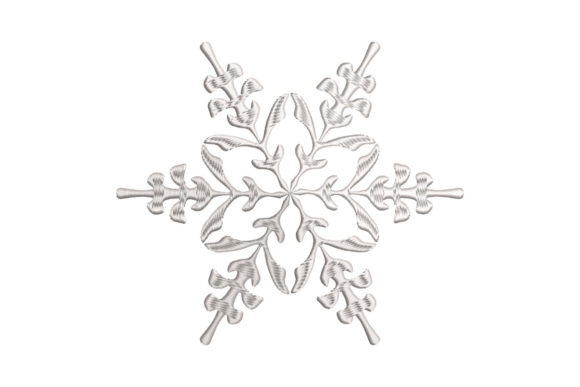
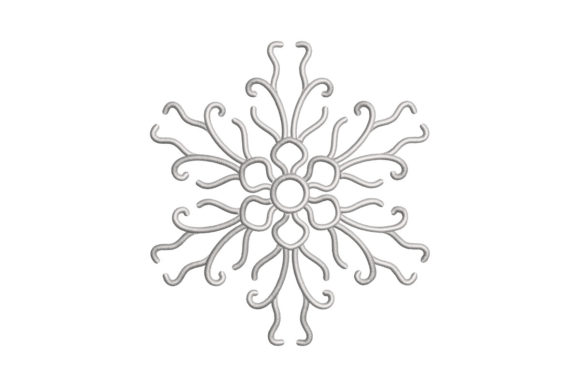
The title Wavy Holiday Snowflake immediately suggests a departure from a traditional, geometric snowflake. This implies a softer, more whimsical, and likely more modern feel. The description mentions it being a "cute Christmas ornament" and a potential "snowy background," which points to a decorative, versatile motif. My take is that this design leans into a festive and soft aesthetic, with a touch of modern charm. It’s not overly rustic or bold, but it has a decorative quality that can feel both cute and elegant depending on the product and thread colors used. This mood is perfect for handmade markets where customers look for items that feel special and handcrafted, not mass-produced.
Product Performance: Where This Snowflake Will Stand Out
Visualizing my booth, I have tote bags, aprons, tea towels, caps, patches, and pillow covers. The Wavy Holiday Snowflake needs to find its best home.
Strong Contenders for High Visibility
- Tote Bags & Market Bags: As a large focal design on the front or bottom corner of a bag, this snowflake would be instantly recognizable. The “wavy” detail could add lovely texture against plain canvas or linen. It elevates a simple bag into a seasonal, giftable item.
- Pillow Covers: Described as potentially becoming a "beautiful painting," this design could be stunning as a centered motif on a pillow. It feels premium and works for both holiday decor and year-round winter-themed homes.
- Tea Towels & Aprons: The "snowy background for a tablecloth" idea translates perfectly here. Embroidered on the hem of a kitchen towel or the pocket of an apron, it acts as a charming accent. On lighter fabrics, it will pop; on textured towels, careful testing is needed.
- Embroidered Patches: This could be a fantastic product on its own. A Wavy Holiday Snowflake patch allows customers to customize their own items. For production, I must check the design's clarity at a smaller size to ensure the wavy details don’t get lost.
Considerations for Specific Applications
- Caps & Curved Surfaces: Embroidering on a curved cap brim is tricky. The design would need to be sized appropriately and likely positioned centrally. A simpler, less dense version might be more successful here.
- Small Pouches & Gift Items: As a smaller accent on a fabric pouch or a journal cover, it would be cute and sellable. It’s important to see the embroidery file at that reduced scale first.
- Dark Fabrics: The design's appeal hinges on contrast. On dark navy or black holiday fabrics, using a bright white or metallic thread would be essential to maintain its "snowy" feel.
The Practical Production Checklist
Turning a digital embroidery file into a stack of craft fair products requires a practical eye. Here’s my review checklist for the Wavy Holiday Snowflake.
Design Comprehension & Batch Production
This design seems easy to understand at a glance—it’s a snowflake. That’s a huge advantage on a busy fair day. Customers don’t need a long explanation. The “wavy” element adds a unique selling point. For batch production, I consider if the design feels repeatable. Does it have a balanced stitch density that won’t cause constant thread breaks or excessive time per item? I would need to test it on scrap fabric first. Designs with extreme density in small areas can wear needles and slow down production.
Photography & Online Sales
For Etsy sellers and digital sellers using printable mockups, this design should photograph beautifully. Its decorative, non-cluttered nature will look clean in listing photos. A real, physical mockup on a tea towel or tote bag is crucial for capturing true texture and appeal. The word “wavy” suggests movement, which can be highlighted in product photos with good lighting.
Critical Technical Notes for Embroidery
- Stitch Density & Detail: The description doesn’t specify, but "wavy" lines could involve many small stitches or longer, flowing ones. I must run the file and inspect for any tiny details that might vanish on textured fabric like a terry cloth towel.
- Hoop Size & Stabilizer: The ideal hoop size will determine which products are feasible. A design requiring a large hoop might not work on a cap. I’ll test with the appropriate stabilizer for each fabric type—no stabilizer on a towel can lead to puckering and a poor-quality look.
- Thread Color Contrast: This is paramount. On heather gray or cream linen, a classic white or ice blue might be perfect. On a red festive background, a silver or white would be striking. I’ll create samples on several fabric colors from my inventory.
- Commercial Licensing: Before selling any finished product, I must confirm the commercial rights of the digital embroidery file. This is a non-negotiable step for any small shop product.
Final Booth Strategy: Maximizing Buyer Engagement
In my booth display, I would use the Wavy Holiday Snowflake to create a cohesive winter theme. A pillow cover with this design displayed prominently draws attention to its decorative quality. A tote bag with it hung on a display rack shows its utility. A small, simple patch mounted on a card shows its versatility. This variety demonstrates the design’s value and engages different buyers.
The design enhances perceived handmade quality because a well-executed embroidered snowflake looks crafted and careful. It supports brand consistency for a maker focused on winter or holiday goods. Most importantly, it has the visual appeal to stop a browsing customer. They’ll recognize the holiday motif immediately, and the unique wavy style might prompt them to ask, “Is this machine embroidery?” which opens a conversation about your craft.
My final advice is to always, always make that first real sample. Stitch the Wavy Holiday Snowflake on the actual fabric you plan to sell. See how it looks in person, not just on screen. Check the thread coverage, the crispness of the lines, and the overall feel. That hands-on test is the difference between a good digital file and a great, sellable craft fair product that will become a beautiful part of someone’s holiday season.