Paint Roller Embroidery: A Designer’s Review for Boutique Sweatshirts
When a boutique brand commissions a premium sweatshirt collection, every design choice is a statement. The embroidery isn't just decoration; it's the soul of the garment. So, when considering the Paint Roller machine embroidery design for a real project, my evaluation starts with its first impression and ends with its commercial viability on cozy, seasonal apparel.
The Mood and Layout: First Impressions on Fabric
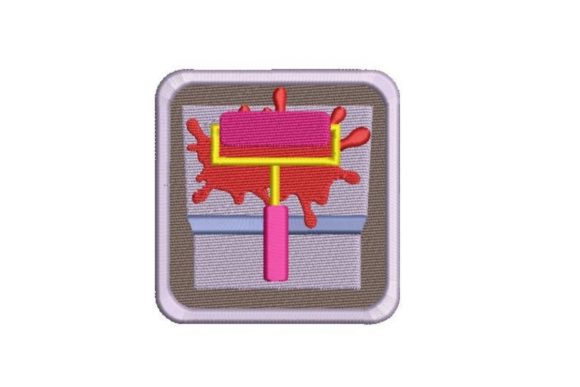
Let's start with the mood. The title Paint Roller immediately evokes a creative, hands-on, and relaxed weekend hobby—the perfect narrative for a lifestyle-focused brand. This isn't a overly ornate or stern emblem; it feels playful, casual, and proudly handmade. The implied layout, with a paint roller as the central motif, suggests a graphic that leans towards illustrative rather than purely minimalist. I imagine it has a level of detail that gives it personality—perhaps subtle texture on the roller sleeve or a playful drip of paint—without being overly dense or fussy.
For a boutique, this balance is key. On a neutral sweatshirt—say, a soft oatmeal or heather grey—Paint Roller would pop with a friendly, artistic vibe. On dark fabric like charcoal or navy, the design would need thoughtful thread color contrast to maintain that lighthearted feel, potentially using brighter whites or pastel accents within the design itself. On pastel-colored sweatshirts, the design could become wonderfully integrated, feeling cute and decorative rather than bold. The real test is on an oversized hoodie: does the scale hold up? A design with a strong silhouette and clear details can look fantastic as a chest placement or even as a smaller sleeve accent, adding that coveted custom apparel touch.
Placement and Application: From Hoodie to Product Photography
Thinking practically for sweatshirt embroidery, placement is everything. For a chest logo, Paint Roller needs to feel intentional and centered, not too small or lost in the fabric's texture. As a back design on a hoodie, it could become a more statement piece, especially if the layout is bold enough. This versatility is a huge asset for a small shop product. You can create a cohesive collection using the same design in different positions across sweatshirts, hoodies, and maybe even tote bags.
This also translates directly to your marketing. A clean, well-executed embroidery of Paint Roller on a premium sweatshirt is a dream for lifestyle product photography. It tells a story of creativity and leisure, which resonates deeply with customers. For your Etsy listings or website mockup previews, having a high-quality printable mockup or photo of the actual finished product elevates buyer trust. It shows you've thought about the integration of the design onto the garment, not just slapped on a digital embroidery file.
Practical Designer Concerns for Commercial Use
Now, let's get into the machine. As a designer prepping for production, several technical questions arise. The provided description notes the design comes with multiple embroidery file formats, which is crucial for compatibility across different machines. However, specific details like exact stitch count, recommended hoop size, and stitch density are not mentioned here. I always advise checking these with the file provider before any commercial embroidery run.
Stitch density is paramount. Too dense, and the design becomes stiff and may pucker on the plush surface of a sweatshirt. Too light, and it might not feel premium or durable. The fabric thickness of a good hoodie also demands a robust stabilizer choice—likely a cut-away for lasting wash durability. We need to ensure small-size readability: if a customer orders a youth size, will the design's details still be clear and charming when stitched smaller? The thread colors chosen will define its character. A monochromatic scheme on a dark sweatshirt could feel rustic and minimal; a multi-color version with playful hues could lean more decorative and bold.
The ultimate question: does Paint Roller feel strong enough for repeated commercial apparel use? Based on its described personality, it has the potential. It feels like a design with enough visual weight and clear intent to withstand washing and wear, becoming a recognizable part of a brand's identity.
Brand Value and Customer Connection
Embroidery like this directly affects product value. A well-executed, thoughtful design transforms a simple sweatshirt into boutique merchandise. It screams handmade product care. For a small clothing brand or Etsy seller, this builds immense customer engagement. People buy the story and the craft. Paint Roller, with its "let the weekend begin" ethos, invites that connection. It's not generic; it's specific enough to create visual recognition and brand identity for a shop focused on creatives, hobbyists, and the joy of making.
In the hands of creative entrepreneurs and apparel decorators, this design becomes more than an asset; it's a tool for branding. Whether for a limited sweatshirt drop or a core part of your lineup, it offers a cohesive look. It feels premium because of its thematic coherence, not necessarily because of excessive detail. It’s the kind of design that makes a customer proud to wear it—"proud of your artwork," as the description says—and that is the highest compliment for any boutique brand.
In closing, Paint Roller presents a compelling opportunity for sweatshirt embroidery projects aimed at a lifestyle audience. Its playful, hobby-centric mood fits perfectly onto neutral, dark, and pastel fabrics. With attention to the practicalities of thread contrast, stabilizer, and scale, it can elevate a cozy garment into a signature piece. Remember to verify all technical file details before production, but conceptually, this design is ready to help a small shop craft something special.