Medical Okay: An Embroidered Message of Quiet Optimism
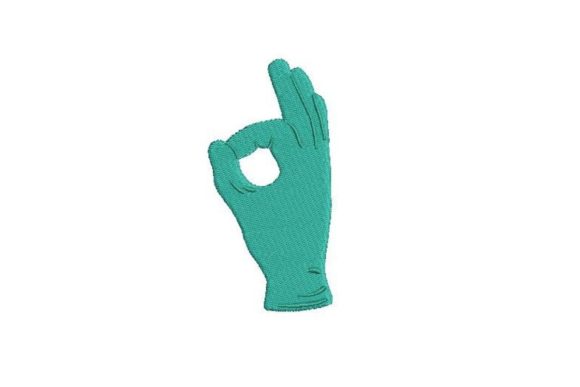
When I first opened the Medical Okay embroidery design, my immediate impression wasn’t of a loud, celebratory statement. Instead, it felt like a gentle, reassuring hand on the shoulder. The composition, with its clean central text and simple supportive graphics, creates a mood of quiet optimism. It’s a design that speaks to resilience without shouting, which is precisely where its strength lies for real-world projects.
The Natural Habitat for This Design
This isn’t a design meant for flashy party wear. Its visual personality—steady, clear, and quietly supportive—naturally belongs to items that offer comfort or acknowledge a journey. I’m picturing it stitched onto a soft, well-worn sweatshirt for someone recuperating at home, or as a subtle feature on a tote bag used for daily hospital visits. It would shine on a cozy blanket or a pillow cover in a recovery space. The theme isn’t about the medical event itself; it’s about the quiet message that follows: everything is going alright. For crafters and small business owners, this opens doors to meaningful, personalized gifts that feel deeply human.
Where Medical Okay Performs Brilliantly
In practical use, this machine embroidery design is versatile. I envision it working beautifully on:
- Custom apparel: A discreet placement on a t-shirt or the front of a soft hoodie.
- Comfort items: The corner of a tea towel in a caregiver’s kitchen, or centered on a nursery decor pillow.
- Personalized gifts: As a heartfelt holiday or wedding gift for someone in the healthcare field, stitched onto an apron or a canvas tote.
- Small shop merchandise: For Etsy sellers or boutique owners catering to nurses, doctors, or supportive families, this design on a simple cap or as a ready-made patch could be a steady seller. Its message is universal enough for craft fair products without being generic.
- Commercial embroidery for clinics or support groups: On uniforms or promotional items, it reinforces a caring brand consistency.
The layout suggests it will stitch out cleanly. The text is large enough to maintain stitching clarity, and the supporting elements aren’t overly dense, which should help with stitch density management on common fabrics.
The Scenarios That Demand a Second Thought
While I’m confident in its application, every design has its limits. For Medical Okay, careful consideration is needed for:
- Very small hoop sizes: If you try to miniaturize it dramatically for a tiny baby item, the lettering’s integrity might suffer.
- Highly textured or stretchy fabric: Without the right stabilizer, the clean lines of the message could distort, losing that crucial feeling of steadiness.
- Dark fabric backgrounds: This is a universal tip, but here it’s vital. The optimistic mood depends on clear visual contrast. A thread color plan for dark fabrics is essential to preserve the design’s uplifting feel.
- Curved surfaces like caps: The central, horizontal layout might need skillful placement to avoid awkward distortion over the seam.
- Products needing frequent washing: On items like kitchen towels or heavily used apparel, the long-term stitch density and thread choice will determine if the message lasts as long as the sentiment should.
In these cases, the finished product’s visual appeal and perceived value could be compromised if the embroidery isn’t executed with these factors in mind.
How This Design Elevates a Project
From a professional perspective, using Medical Okay correctly adds tangible value. On a handmade product, it conveys a thoughtfulness that generic designs lack, boosting customer trust and giftability. For a small business, it offers a digital embroidery file that can be adapted across product lines—from embroidered patches to sweatshirt embroidery—creating a cohesive look. The clarity of the message ensures immediate recognition, which is key for buyer engagement in online listings or printable mockups. It feels professional without being corporate.
A Designer’s Practical Notes Before You Hoop It
Before running this embroidery file for a client project or your own craft business items, here’s my standard review checklist, applied specifically to this design:
- Always test the design on scrap fabric first, using a fabric similar to your final project. Pay attention to the small details in the graphics to ensure they stitch out without fills bunching.
- Review the thread color contrast not just on screen, but in real thread. Does your chosen palette on a light background keep the message bright? On a dark background, does it remain bold and clear?
- Confirm the minimum hoop size required for a clean stitch-out. The product description mentions multiple formats, so ensure you’re using the correct file for your machine and intended hoop.
- Check how it looks in simple black and white mockups. This helps judge the design’s form independent of color, which is crucial for understanding its basic appeal.
- Use proper stabilizer for your chosen fabric texture. A design with text like this demands a stable base for clean satin stitches or fill stitches.
- Most importantly, confirm the licensing before selling finished items or digital products. The description states it comes with multiple file formats for use, but clarify whether that use includes commercial production. Never assume.
This groundwork transforms a good embroidery project into a great one. It ensures the final stitched message—everything is going alright—looks as confident and reassuring as it intends to be.
The Final Real-Life Scenario
Let’s picture a real case. I’m preparing a custom embroidered tote bag for a friend whose family has just navigated a lengthy health challenge. I choose a sturdy, light-colored canvas. I test Medical Okay on a similar scrap, adjusting my thread to a soft blue for the text and a complementary grey for the accents. After confirming the stitch-out is clean and the message legible, I hoop the final bag. The result isn’t a loud declaration; it’s a durable, wearable token of support. That’s the power of a well-applied design like this—it moves from a digital design asset to a tangible, meaningful object. And for makers and sellers, that transition is where the real value lives.