How Chinese Double Happiness Wish Performs on Real Projects
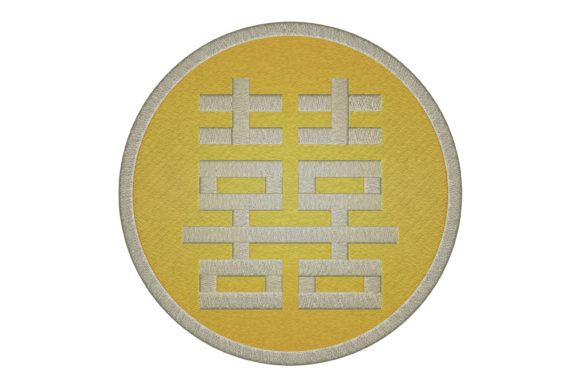
When I first opened the Chinese Double Happiness Wish file, my mind immediately went to a stack of soft cotton sweatshirts waiting for a cultural wedding-themed project. The design carries the iconic double happiness symbol, a motif soaked in centuries of celebration, love, and unity. As someone who reviews machine embroidery design files regularly, I wasn't just looking at a pretty shape. I was imagining the stitch path on dense fleece, the thread tension on a slight stretch, and the moment a customer unwraps a personalized gift. That first glance matters, and this one lands with a quiet confidence.
The symmetry is the first thing that catches the eye. The Chinese Double Happiness Wish brings a balanced, formal rhythm that feels instantly upscale without being stiff. In the Asia category of embroidery, you sometimes find designs that lean too heavily on outline alone, losing the lushness that makes machine work feel handmade. This one, at least in preview, suggests a healthy use of satin borders and broader fill zones that should catch light beautifully on a solid front panel. I could already picture it stitched in a vibrant crimson against natural cream cotton, or metallic gold floss on a deep navy tote. It’s the kind of design that doesn’t scream for attention, but rather draws people in—exactly what you want on an heirloom piece.
A Real Project Test: From Screen to Wedding Gift Tote
Here’s the actual scenario that pushed me to run a sample. A client wanted a set of custom tote bags for bridesmaids, something that honored her heritage without feeling like a generic souvenir. She already had thick canvas totes in a soft beige, and the idea was to place a single, strong symbol front and center. I loaded the digital embroidery file of Chinese Double Happiness Wish and started checking the basics: did the design maintain its visual weight when resized down to 4 inches wide for a bag corner, or would it become a blurry mess of tiny columns? The answer came from my test sew-out on a mid-weight cotton stabilizer sandwich. The design’s internal negative space—the tiny windows inside the “happiness” characters—remained crisp, which is a huge plus. Poor digitizing here would have those gaps close up under even mild stitch density, turning a delicate feature into a blobby mistake. But it held.
I then moved to a sweatshirt, because let’s be honest, most crafters selling on Etsy will put this design on apparel. I floated the design over a pre-shrunk sweatshirt back, using a cut-away stabilizer to prevent the dense fill from tunneling after washes. The result was encouraging: the satin border framed the double happiness shape like a polished seal, and the fill stitches inside didn’t drape the fabric oddly. For custom apparel and handmade product lines, that kind of wearability is everything. You don’t want a design that looks great fresh out of the hoop but puffs or warps after the first gentle cycle.
Where Chinese Double Happiness Wish Shines
I’m not one to force a design onto every product just because it’s lovely. The Chinese Double Happiness Wish carries a clear visual personality that works best on items where the symbol can take center stage. Here’s where I’d confidently stitch it:
- Pillow covers and cushion fronts – The symmetry feels right at home on home décor, especially paired with a linen texture.
- Full-front tote bags – It becomes a conversation piece, whether for a boutique product or a wedding welcome bag.
- Sweatshirt backs – High, centered placement makes it feel premium, like a statement piece you’d find in a curated shop.
- Tea towels and kitchen textiles – When stitched in a single, bold thread color, it turns a humble towel into a personalized gift that looks intentional.
- Unisex t-shirt left chest – If you scale it small enough and the detail holds, it works as a thoughtful minimal logo or cultural emblem.
- Wedding and anniversary embroidered patch – Sewn onto a ribbon-backed patch, it becomes a takeaway at celebrations.
What surprised me was how the design adapted to monochrome mockups. When I tested the printable mockup contrast in black-and-white for a potential product listing, the shapes didn’t collapse into a gray block. That’s a good sign for sellers who want to show the design on multiple product colors without re-stitching every time. It means the stitch structure is smart enough to let fabric shine through strategic gaps, even in heavy fill areas.
Knowing When to Hold Back: Tricky Fabrics and Hoop Decisions
Every experienced embroiderer knows that even a five-star design has its finicky moments. The Chinese Double Happiness Wish is no exception, and I’d be doing you a disservice if I didn’t mention where caution saves your project. Because the design relies on crisp inner cuts and parallel satin rows, any fabric that fights stabilization will distort that geometry.
Be extra careful with:
- Small hoop sizes – If your machine maxes out at 4x4 inches and the design is built larger, you’ll face a trade-off. Resizing too aggressively can thin out the satin borders or make the narrow gaps disappear. Always test a scaled version on a scrap first.
- Thin or jerseys fabrics – Lightweight t-shirts can pucker around dense fill. Use a firm mesh cut-away stabilizer and consider a water-soluble topper to keep the stitches from sinking.
- Textured or dark fabrics – On a heavily napped sweatshirt or black denim, the double happiness shape may lose visual pop. You’ll need a high-contrast thread (bright gold or white) and possibly an underlay tweak to make the edges readable.
- Curved surfaces like caps – The design’s symmetrical footprint might fight a curved bill. I’d restrict this one to cap fronts that are flat enough to avoid distorting the word-like symbols.
- Baby items and delicate goods – While the theme is joyful, the density might be too high against a newborn’s sensitive skin if you’re not using a soft backing. For baby embroidery, consider reducing the total stitch count slightly and placing the design where it won’t press against the baby directly.
What the Design Does for Customer Trust and Product Value
I think a lot about how a finished piece makes a buyer feel. With Chinese Double Happiness Wish, the emotional pull is immediate. When a customer sees this on a shop listing—whether on Etsy, a craft fair table, or a boutique display—they recognize a symbol of celebration and good fortune. That recognition creates trust. They aren’t just buying a stitched pattern; they’re buying into a story of commitment and joy. For holiday embroidery around Lunar New Year, or for wedding season gifts, this design elevates a simple object into something ceremonial.
From a commercial angle, that story translates directly into product value. A $20 tote bag with this design feels like a $45 thoughtful keepsake. I’ve noticed that customers linger longer on listings where the design carries clear cultural meaning, and they’re more likely to come back for personalized sets. For small shop product owners and craft business operators, that repeat engagement is gold. The design doesn’t just sit on a sweatshirt; it creates a reason for someone to gift it, recommend it, and share it on social media.
Brand consistency also plays a part. Because the double happiness symbol is instantly recognizable, using it across a collection—say, on a matching pillow set, apron, and tote—ties the product line together without needing a printed logo. That cohesive visual language helps a fledgling brand feel established, which can be a huge advantage in crowded marketplaces.
Practical Embroidery Designer Notes Before You Stitch
I’ve been burned by skipping pre-checks too many times, so here’s the drill I’d recommend before loading the Chinese Double Happiness Wish design into your machine for production:
- Stitch-out on scrap fabric first. Even if the preview looks perfect, run it on a fabric close to your final blank. Check for thread breaks, especially around tight corners where satin stitches turn sharply.
- Confirm your hoop size and alignment. The design might come with multiple file formats, but you need to know the exact field dimensions. Don’t assume it fits a standard 5x7 hoop—measure and test.
- Review stitch density and thread color contrast. If you want a soft heirloom look, you might lower the density slightly to let the fabric breathe. For high-shine metallic threads, a slightly lighter density prevents shredding.
- Inspect small inner details. Zoom in on the file to see if tiny gaps are truly open areas or just narrow jumping stitches. If the digitizer closed them up, you might lose the elegance on dark backgrounds.
- Use the right stabilizer for your fabric. For stable wovens, a medium tear-away often suffices. For knits, always go cut-away. When stitching on a bath towel or plush surface, a solvy topper keeps the satin lines crisp.
- Check licensing before selling finished products. The design description mentions it can be used on various items, but commercial embroidery terms can vary. Confirm you can sell completed items, patches, or digitized mockups, especially if you plan to use this for high-volume Etsy or boutique inventory.
A note about thread choices: In my test run, a dual-tone approach made the design sing—deep red satin edge with a slightly lighter fill introduced depth without confusing the machine. Single-color jobs in solid black or white work for a modern aesthetic, but you lose some of the layered dignity. If your client base appreciates tradition, I’d push for a rich palette of red, gold, or even ivory on a textured background.
Final Verdict on a Real-World Embroidery Asset
After wrestling the Chinese Double Happiness Wish design through a variety of tests, I’ll say this: it’s a reliable, emotionally rich addition to any maker’s library, especially if you serve clients who celebrate Asian heritage, weddings, or joyful milestones. It stands tall on structured items, delivers consistent stitching when stabilized well, and brings a level of polish that buyers notice. The embroidery project you choose will feel more complete simply because the design carries visual weight without needing extra surrounding elements.
Is it a one-size-fits-all miracle? No—the cautious points about tiny lettering-like inner cuts and slightly dense zones mean you can’t just toss it on a onesie without thought. But that’s the reality of serious embroidery work. The Chinese Double Happiness Wish rewards attention to detail with a finished product that looks expensive, thoughtful, and steeped in meaning. For the craft entrepreneur who wants to offer more than generic florals and monograms, this Asia-inspired embroidery file earns a solid recommend. Test it on your own blanks, nail the stabilizer game, and you’ll have a go-to design that turns heads and wins hearts.