Dazzling Dragonfly Embroidery Design: A Designer’s Real-Project Review
A Delicate Arrival: First Impressions of Dazzling Dragonfly
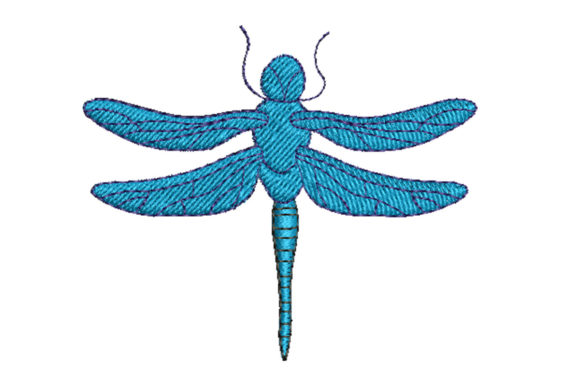
When a new machine embroidery design lands in my library, the first thing I do is imagine the stitch-out on a tangible product, not just admire it on screen. The Dazzling Dragonfly from Creative Fabrica immediately presents itself as a design that leans into softness and subtle charm. The visual mood is airy and graceful, with a fine balance between whimsy and elegance. Tiny wing segments, gentle curve details, and what appears to be a mix of satin stitch outlines and delicate fill stitch accents give it a polished yet approachable personality. There’s nothing aggressive or overly dense here; it reads as a dainty accent meant to complement fabric rather than dominate it.
As someone who constantly thinks about how a digital embroidery file will behave on everyday items, I appreciated the light decorative feel immediately. It doesn’t scream “novelty.” Instead, it whispers “handmade with care.” The dragonfly silhouette is instantly recognizable, but the decorative inner details elevate it above a simple outline. For an Embroidery product from the Bugs category, this one shows restraint and refinement, which opens plenty of doors for commercial use without looking too childish or too busy.
Where Dazzling Dragonfly Belongs: Best Fabric and Project Matches
After scanning the design preview, I mentally placed Dazzling Dragonfly on several real-world items I create for my shop. Its size and delicate nature make it a perfect candidate for small to medium hoop setups, but it’s the mood of the design that dictates placement. Here’s where I’d confidently use it:
- Tote bags and canvas pouches – A single dragonfly near a corner or centered beneath a monogram turns a plain accessory into a nature-inspired favorite.
- Baby blankets and nursery decor – The gentle feel suits lightweight cottons and minky. A soft pastel thread choice on a crib sheet or swaddle brings a calm, storybook quality.
- Kitchen towels and aprons – Linen and flour sack towels thrive with this sort of airy motif. I’d stitch it in a single earthy tone or a subtle variegated thread for a high-end boutique look.
- Pillow covers and home accents – On a neutral linen cushion, the design adds texture without overwhelming the room. For Etsy listings and craft fair tables, this kind of detail sells the idea of intentional, curated living.
- Sweatshirts and apparel – Placed on the wrist of a sleeve or near the collar of a cozy crewneck, it becomes a custom detail that feels effortlessly cool, not over-embroidered.
- Caps and patches – The silhouette is compact enough for a structured cap front or a freestanding embroidered patch. I always test on a curved cap surface to ensure the wing tips don’t distort, but the outline seems forgiving.
- Personalized gifts and keepsake items – A dragonfly often symbolizes hope or remembrance. This design paired with a single word or a tiny date becomes a meaningful custom piece.
One aspect I love: Dazzling Dragonfly doesn’t rely on trendy color blocking or heavy lettering, so it remains a year-round asset. Whether you’re building a spring collection, a whimsical garden line, or simply need a reliable tote bag design that photographs beautifully, it holds its own.
Behind the Needle: How Dazzling Dragonfly Holds Up in Production
As a professional, I can’t ignore what happens when a machine embroidery design meets a real needle and thread. The preview hints at a moderate stitch density in the wings and body, but I always prepare for a few practical checks.
Small Details and Thin Lines
Dragonfly wings demand precision. If the embroidery file includes very fine running stitch work, I’d test on a scrap of tightly woven cotton first. Some designs lose their elegance when thread builds up too much in narrow channels. The Dazzling Dragonfly appears to balance outline and fill nicely, but I’d still double-check that the smallest decorative elements don’t turn into messy blobs on plush or textured fabrics.
Fabric Surface and Stabilizer Choices
Stretchy fabrics like a sweatshirt or baby onesie require a solid cutaway stabilizer and careful hooping. The dragonfly’s gentle curves could pucker if I skip this step. For custom apparel like a lightweight tee, I’d use a fusible mesh to keep the design airy. On dark fabric, thread color contrast becomes critical. A pale or metallic wing could pop beautifully, but I’d test a few thread shades first. The product page (Creative Fabrica embroidery library) didn’t list a recommended thread palette at first glance, so I’d choose colors that match my brand’s aesthetic and run a stitch-out to confirm readability.
Curved Cap Surfaces and Patches
When I turn a flat design into an embroidered patch or use it on a ball cap, I watch the outer edges. A dragonfly’s elongated wing tips might push into the seam of a cap if not positioned carefully. The design looks well-proportioned for a standard 4x4 hoop, but I’d confirm the exact dimensions and hoop size from the listing details before assuming it fits my go-to cap hoop frame.
Washing and Wear
Products that get frequent laundering, like kitchen towels or baby items, demand a sturdy stitch without dense bulletproof spots. I’d examine the stitch structure in the body; too much fill stitch there could become stiff over time. A good applique design alternative could be to convert a wing section to fabric appliqué for a softer drape, but that depends on the digital embroidery file layers. Whether the ready-made design handles washes gracefully will become clear after a few real-life cycles, but the airy layout suggests it won’t turn into a cardboard-like patch.
Impact on Product Value and Customer Trust
Adding Dazzling Dragonfly to a handmade product does more than decorate fabric; it shapes buyer perception. In my experience, a design this delicate elevates the perceived value of an item immediately. A simple kitchen towel with a dainty dragonfly feels like a boutique find rather than a craft project. For Etsy sellers and small business owners, that perception translates directly into higher customer engagement and repeat sales.
The design’s calming, gender-neutral vibe also broadens its appeal. I’ve noticed that personalized gift buyers gravitate toward motifs that feel personal without being overly gendered or seasonal. A dragonfly hits that mark. When I photograph finished handmade products for listings, the subtle shimmer or delicate wing lines give flat lay images a focal point that catches the eye without fighting for attention. Product photography becomes easier because the embroidery adds texture and interest, and it works just as well inside styled scenes as it does on a plain white background.
From a branding angle, consistency matters. If my shop carries a “garden whimsy” thread or a “nature-inspired” collection, Dazzling Dragonfly fits right in. It helps maintain brand consistency across tote bags, sweatshirts, and nursery items, so my return customers instantly recognize my style. This kind of design asset isn’t just a one-off; it becomes part of a signature line.
Pre-Stitch Checklist for a Flawless Dazzling Dragonfly Finish
Before I ever load a Creative Fabrica embroidery file onto my machine for a paying customer, I run through a mental (and physical) checklist. For Dazzling Dragonfly, here’s exactly what I’d do:
- Test on scrap fabric first. Even a perfect preview can reveal surprises on organza or waffle weave. I’ll stitch it on the same fabric type as the final project to catch any tension or density issues.
- Thread color contrast test. I’ll try a few combinations. A soft gold body with translucent-looking wing threads works beautifully; a dark monochromatic scheme may lose the wing details. I’ll compare light and dark fabric mockups side by side.
- Review stitch density. If the body feels too stiff, I might reduce density slightly in my embroidery software, but only if the embroidery file allows editing. Otherwise, I trust the original digitizing and adjust stabilizer instead.
- Confirm hoop size and placement. The listing mentions this design comes with multiple embroidery file formats, but I’d double-check the exact dimensions on the product page. I want it to fit my most-used hoop without resizing unless absolutely necessary.
- Use proper stabilizer. Cutaway for knits, tear-away for woven, and a topper for plush fabrics like minky. A delicate design like this deserves a stable foundation so that wing tips don’t shift.
- Inspect small details after stitching. I look at the connecting points between wings and body, the symmetry of the decorative elements, and any jump stitch marks. A tiny pair of curved scissors is my friend here.
- Check file details and licensing. The Creative Fabrica product page should state clearly the file formats included and the commercial use terms. I always confirm whether a commercial embroidery license is included or if an upgrade is needed before selling finished items. I never assume.
- Prepare a printable mockup option. If I offer printable mockups for digital listings, a clean photo of a successfully stitched sample on a neutral background helps potential buyers visualize the finished product on their own items.
Overall, Dazzling Dragonfly earns its place in my rotation of go-to machine embroidery designs. It’s versatile, gentle on fabric, and carries the kind of timeless charm that works for craft fair products, boutique merchandise, and heartfelt personalized gifts alike. If you’re looking for a reliable nature accent that doesn’t clash with other design elements and photographs like a dream, this one deserves a spot on your stitch-out list. Just remember to respect the small details, test your thread colors, and always check the latest file information on the Creative Fabrica product page before you commit to a client order.