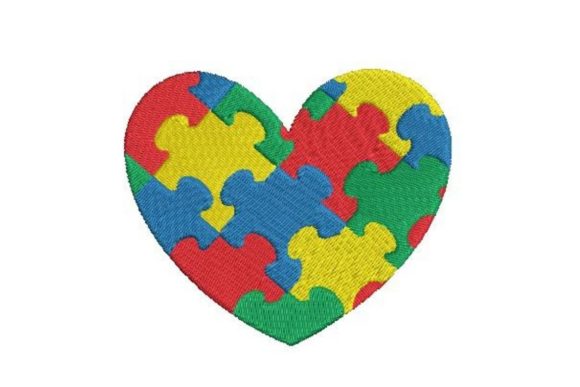
Puzzle Heart: Will It Sell at Your Craft Fair Booth?
I set my digital embroidery file library to “Valentine’s Day” and there it was—Puzzle Heart. As an embroidery designer who lives for booth season, my first reaction was immediate. The interlocking puzzle pieces forming that unmistakable heart shape mean only one thing: this design was made to start conversations. It’s cute, symbolic, and loaded with the kind of emotional spark that stops a passerby mid-stride at a handmade market. Before I ever hooped a scrap of fabric, I could already picture it on aprons, pouches, and tote bags glowing under my tent lights. The real question isn’t whether it stitches out beautifully (it does, with proper testing) but how far a smart craft fair seller can take it.
First Glance: The Cute Factor That Draws Customers In
The Puzzle Heart arrived as a clean, clearly digitized motif. The description promises a “cute embroidery” that works on various types of fabrics—and that holds true. What I saw in the stitch preview was a design that balances a playful puzzle concept with a soft, approachable heart silhouette. It’s not overly intricate, which is a huge plus for handmade product sellers. A design that reads instantly from three feet away beats an ornate one every time. Buyers at craft fairs make gut decisions; this heart feels familiar, yet the puzzle seams add just enough intrigue. The mood leans gently romantic, perfect for Valentine’s Day, anniversaries, or simply showing someone they make a family complete. The beauty of the concept is that it doesn’t scream “holiday,” making it a year‑round staple for boutique makers who hate boxing up seasonal inventory once February ends.
From a stitching perspective, the puzzle edges give the heart a built‑in structure that photographs exceptionally well. In an Etsy listing or a social media flat lay, those interlocking lines create texture even from a phone camera. The design doesn’t require a hundred thread changes, meaning it keeps production simple without looking basic. That’s the sweet spot for a craft fair product—simple to batch, but visually compelling enough to justify a premium price tag.
Product Placement: Where Puzzle Heart Shines Brightest
If there’s one piece of advice I give my small‑shop clients, it’s this: a machine embroidery design earns its keep when you marry it to the right blank. For Puzzle Heart, I immediately gravitated toward flat, smooth surfaces that let the puzzle seams stand out.
Tote bags and market bags are the no‑brainer first choice. A jute or cotton natural tote with a bold red‑and‑white Puzzle Heart turns a $3 blank into a $25 statement piece. Display it with a few fresh flowers tucked inside and watch couples gravitate toward it. Canvas aprons are a close second, especially if you position the design on the chest or a pocket corner. The “meaningful gift for loved ones” angle makes apron sets incredibly strong during bridal shower season, not just Valentine’s Day.
Kitchen towels and tea towels are my go‑to for booth fillers. A tightly woven flour sack towel stitched with the heart near the edge looks rustic and heartfelt. I found the design threads onto linen‑blend towels without losing clarity, provided I hooped a mid‑weight cutaway stabilizer. For a more premium tea towel embroidery, consider stitching the heart in a soft metallic gold on a deep burgundy fabric—instantly elevates a simple kitchen accent to a luxury gift.
Small pouches and zipper bags might be the secret weapon. A 7‑inch cotton pouch with a centered Puzzle Heart on the front becomes an impulse buy under $15. It’s the perfect gift bag alternative that shoppers pick up for jewelry, notes, or as a standalone “just because.” Embroidered patch conversions are tempting, but proceed with caution: shrink the design too small to fit a 3‑inch patch blank and the puzzle piece voids may close up or lose definition. If the set includes a smaller size specifically digitized for patches, then absolutely run a test on twill first.
Pillow covers give you the chance to go big. A 6‑inch or 8‑inch version centered on a 16×16 envelope pillow cover creates a romantic home décor item that photographs beautifully and feels substantial enough for higher pricing. For booths with a farmhouse or modern‑rustic vibe, stitching the heart on raw‑edge linen or vintage‑textured cotton adds a handmade touch that mass‑produced home goods can’t copy.
I’d skip caps and deeply curved surfaces with this design unless you’re working with a specifically digitized small cap size. The heart shape can distort over curved crown seams, and puzzle lines lose their crisp geometry. If caps are a must‑sell in your booth, test on a five‑panel cap with a lower profile and always use a cap frame; the result is still risky but not impossible.
Visual Impact: Creating Booth Magic with One Design
At a craft fair, color is your silent salesperson. Puzzle Heart responds beautifully to high‑contrast thread choices. A snowy white heart on cherry‑red cotton feels classic and clean. Black thread on pastel pink or mint gives a bold, modern graphic appeal that catches the eye of younger buyers. I also suggest stitching a few samples in tonal thread—light gray on oatmeal linen—to appeal to the neutral‑home crowd. The puzzle lines make even a tonal design legible, adding subtle detail rather than a flat filled shape.
A cohesive display triples the impact. Hang a finished tote bag at eye level, place a stack of folded towels with the heart peeking out, and set a mason jar filled with mini fabric pouches—all featuring the same Puzzle Heart in coordinated colorways. The repetition creates a boutique feel and signals to shoppers that you’ve perfected this product. Customers often buy multiples when they see a design working across different items, especially if each one feels like an instant gift. Tag the display with a small sign that reads “Made to fit—just like the two of you,” and watch the emotional connection activate.
Stitch Quality & Production: The Practical Designer’s Checklist
Before you sew a single item for inventory, grab a scrap of mid‑weight cotton and stitch out the largest size included. Inspect the puzzle seams carefully. Areas where two pieces interlock can sometimes carry dense stitch concentration. If the digitizer used a heavy satin border around each puzzle piece, the center may feel stiff. That’s not a flaw—on a pouch or patch it adds durability—but on lightweight apparel, it might pucker. I discovered that a tear‑away stabilizer backed with a soft mesh cutaway gave me a perfectly flat result on quilting cotton without losing the crisp puzzle edges.
Check thread contrast early. The puzzle effect relies on visible lines. If you stitch the design in a dark thread on a dark fabric, the seams can almost disappear unless the digital embroidery file includes a subtle running stitch outline. Bump up the contrast until the heart reads clearly even in low light. A fluorescent lamp test mimics evening market lighting quite well.
The design is generally forgiving on fabric texture, but avoid heavy waffle weaves or nubby linen right away. A tea towel with a tight, smooth weave works far better than a thick terry cloth. If you must stitch on a fluffy towel, use a water‑soluble topper to prevent the puzzle lines from sinking into the pile. On garments, position the heart away from seams and darts where hooping tension tends to warp small details.
Finally, invest time in perfect jump‑stitch trimming. The puzzle nature of this design means there will be small trims between interlocking segments, and any stray thread left behind catches the light at a market table. A sharp pair of curved‑tip snips and a good magnifier make quick work of this.
Batch Production: Scaling Puzzle Heart for Craft Fair Inventory
Once your test stitch‑out is dialed in, Puzzle Heart becomes a joy to batch produce. Because it uses a controlled thread palette—often just one or two colors—you can run multiple items sequentially without swapping thread cones. I pre‑cut a stack of hooped blanks, press them all at once, and then stitch in an assembly line. An afternoon yields over a dozen finished products ready for tags. For a small‑shop owner, that efficiency means a healthy profit margin and the ability to restock quickly between markets.
As an Etsy seller, the repeatability factor extends to photographing mockups. A single well‑lit photo of a Puzzle Heart pouch becomes your listing hero image across multiple color variants. Your digital embroidery file does the heavy lifting—consistent stitch‑outs mean every product a customer unboxes looks exactly like what they saw online. Just ensure your listing description clearly states that each item is handmade and may have slight variations, which buyers of handmade products actually appreciate.
Before turning your machine loose on twenty items, confirm the commercial embroidery license attached to the digital embroidery file. Many designers include a small‑business‑friendly license that allows you to sell finished craft fair products, but you need to read the terms. If the file description says “multiple embroidery” it likely refers to multiple sizes or file formats—that gives you flexibility for different hoop sizes, but doesn’t automatically grant commercial use. Reach out to the digitizer if it’s not crystal clear.
Careful Considerations Before You Stitch Your First Puzzle Heart
I’ve been burned before by rushing a new design onto my best blanks, so here’s my caution list—born from experience—specific to this motif:
- Size matters dearly. If Puzzle Heart is stitched below a 3.5‑inch width, the puzzle piece voids may close entirely. Test the smallest size on your planned fabric and check that a needle tip can still fit between the interlocking shapes.
- Dense stitch areas near the center joint can stiffen the fabric. On soft apparel, swap to a lightweight cutaway or use a single layer of no‑show mesh to maintain drape.
- Tiny details like the puzzle “teeth” might lose definition on textured towels. A topper is non‑negotiable here; the stitches need a flat surface to lay the thread perfectly.
- Thick fabric such as canvas or duck cloth will amplify any minor digitizing jump. Test on the exact blank, not just a similar weave, before committing to 50 tote bags.
- Dark fabric demands a test for the puzzle outlines. If the design relies on a black outline, but your fabric is navy, the line disappears. Substitute a slightly lighter contrast thread or use a thicker 40‑weight thread to lend extra presence.
- Curved cap surfaces are often unkind to geometric heart shapes. If a patch version isn’t available, consider finishing the design as a standalone embroidered patch you can sew or iron onto the cap instead.
- Spacing and alignment in the puzzle seams must stay balanced. Check your hooping tension; if the fabric pulls even a millimeter, one puzzle piece will look misaligned, and that ruins the romantic “we fit together” symbolism.
Final Verdict: Is Puzzle Heart Booth‑Ready?
After running half a dozen samples across different fabrics and color palettes, I can say this much: Puzzle Heart earns its place in my travel case. It’s not the loudest design in my collection, but it’s the one that makes shoppers pause, smile, and reach for their wallet. There’s an honesty to the puzzle metaphor that translates effortlessly into a meaningful handmade product. For craft fair sellers who want to offer gifts that feel intentional without being overly saccharine, this motif is a quiet workhorse.
I’d build my booth around it this way: a feature table with three puzzle‑heart pillow covers in muted romance tones, a tiered stand of mini pouches at two price points, and a cafe rod displaying tea towels with the heart peeking from the corner. Buyers looking for quick Valentine’s Day gifts will find it; but so will the customer shopping for a “just because” present six months later. As an embroidery designer, that timelessness is exactly what transforms a machine embroidery design from a seasonal trial into a year‑round craft fair product. All you need to do is test, trust your stabilizer, and let the Puzzle Heart do what it does best—connect.