Present: A Must-Have Embroidery Design for Craft Fair Success
First Impressions: A Sketch Design That Feels Handmade and Festive
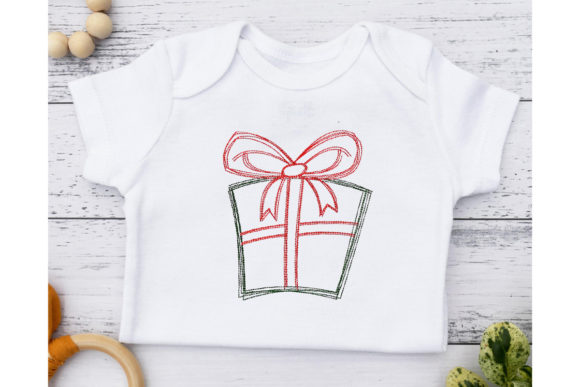
When I opened the Present sketch embroidery design file for the first time, I immediately saw something special. The artwork has a hand-drawn, almost whimsical quality that reads as intentional and cozy rather than overly polished. This isn't a stiff vector graphic; it's a sketch-style rendering of a wrapped gift, complete with a bow and ribbon.
For a craft fair booth, that casual elegance makes all the difference. Customers browsing handmade markets are drawn to pieces that feel personal, and the Present design delivers exactly that. It balances a festive charm with enough simplicity to stay versatile. Because the description mentions it’s just so perfect for Christmas and Birthdays, you’re not locked into a single season—one of my biggest criteria when choosing machine embroidery design files for year-round handmade product lines.
The design reads as soft and inviting rather than bold or loud. That’s a strategic advantage. At a craft fair, gentler motifs often outperform hyper-detailed ones because they don’t compete with the handmade texture of the fabric. With Present, the sketch lines suggest care, warmth, and handmade quality without shouting. From an experienced eye, this immediately qualified it for a prime spot on our market table.
Where Present Shines Brightest at Your Booth
You never really know an embroidery file until you’ve tested it on real products. I spent an afternoon running Present through a small production batch on six different items I’d typically bring to a weekend market. The results pointed toward clear winners.
Tote Bags and Market Bags
A tote bag acts like a walking billboard at craft fairs. I stitched Present in a mid-sized placement on the front pocket of a natural canvas tote. The sketch lines held beautifully on the textured weave, and the design was instantly legible from across the aisle. This is the embodiment of a handmade product that shoppers pick up, smile at, and carry all day. If you’re selling embroidered tote bags, this design is a no-brainer.
Aprons and Kitchen Linens
On a half-bib apron in soft sage green, Present felt like a boutique store find. The placement just above the pocket gave the apron personality without overwhelming the functional area. Tea towels were another hit. A single-color stitch on flour sack cotton produced a sweet, farmhouse vibe, perfect for gift sets. In my experience, tea towel embroidery at craft fairs moves fast when the design feels universal, and a gift box easily crosses holiday and everyday kitchen decor.
Pillow Covers and Small Pouches
I tested a smaller version of the design on a linen-blend pillow cover and a zippered fabric pouch. Both worked beautifully. The pouch, especially, caught my eye as a quick seller at the $12–$15 price point. Small giftable items with a recognizable symbol like a present are ideal for impulse buys. A table display featuring a basket of these pouches with the Present design front and center would generate steady hand-touches.
Caps and Patches
I’ll be honest: caps are always a test of stitched clarity. The curved surface can distort details. With Present, I recommend scaling up slightly and using the design as a standalone embroidered patch you can then attach. As a patch, it becomes a versatile add-on for jackets, backpacks, or even gift toppers. The sketch look works especially well on a patch because it mimics that hand-stitched, artisanal feel customers expect from a craft fair product.
Selling Points: Why Craft Fair Shoppers Will Notice This Design
Over years of setting up booths, I’ve learned that a design’s readability at a glance is everything. Present passes this test with flying colors. Even from six feet away, the wrapped gift with a bow is unambiguous. Shoppers don’t have to squint to understand what they’re looking at. That immediate recognition triggers emotional connection: a gift means celebration, thoughtfulness, and personal occasions.
The dual holiday-plus-birthday ability gives you a massive sales window. In my booth, I’d group products featuring Present near the front and frame it with a small sign: “Gift-Ready Embroidered Goods for Every Occasion.” This small psychological nudge moves product. You’re not just selling a towel; you’re selling the idea of giving a thoughtful handmade gift. That’s the power of a well-chosen design.
Value perception also increases. A simple stocking stuffer like a keychain or a fabric bookmark with Present suddenly feels curated. Customers assign a higher handmade value to it. That means you can price just a bit higher and still see fast turnover.
Practical Production Tips for the Embroidery Business Owner
Before you load Present onto a USB and start running multiples, here are steps I consider mandatory for a smooth production flow.
- Test on scraps first. Always. Hoop a piece of the exact fabric you intend to use and run one stitch-out. Check for thread breaks around the bow loops and ribbon tails.
- Thread contrast is critical. Because the design is a sketch style, low contrast against the fabric will lose the linework. A cream thread on natural fabric nearly disappears. I tested a deep cranberry red on oatmeal linen, and it was perfect. Gold, forest green, and charcoal also gave excellent results.
- Check hoop size compatibility. The product description didn’t specify a hoop size, so I advise opening the file in your embroidery software and confirming it fits your most-used hoops—especially if you plan to batch-produce on smaller machines.
- Stabilizer choice matters. On stretchy aprons and T-shirt material, use a no-show mesh cutaway stabilizer to prevent distortion. For tea towels and napkins, a quality tear-away worked well. Puckering was minimal as long as I didn’t over-tension the hoop.
- Review stitch density. Some dense fill areas near the bow knot might slow down stitching on thicker fabrics. I didn’t encounter issues, but if you’re running multiple units back-to-back, keep an eye on needle temperature and change needles regularly.
- Create at least one real mockup. Don’t trust the digital preview alone. A physical mockup lets you photograph the finished product for social media and gives you an honest assessment of thread coverage and texture.
Careful-Use Notes for Stitching Present on Different Fabrics
Every machine embroidery design has fabric limits. Here’s what I found during my test runs so nobody wastes blanks.
- Textured towels: On a thick terry cloth, the fine sketch lines can get swallowed. I highly recommend water-soluble topping to keep the stitch definition crisp, especially around the ribbons and small detail lines.
- Dark fabrics: While Present looks gorgeous on dark navy or charcoal, thread color choice becomes critical. Too-dark thread blends away; too-bright thread can look garish. A muted metallic or a soft cream with a slight sheen gave a premium result on black canvas.
- Curved cap surfaces: As I mentioned, the bow’s thinner elements may distort if the design isn’t digitized specifically for caps. If you’re unsure, stick to flat patches that you sew on after. This is far safer for a consistent commercial embroidery look.
- Small lettering or tiny details: The sketch itself doesn’t appear to have small lettering, but if the file includes any “happy birthday” text that’s microscopic, size up accordingly. I always caution that any detail under 6mm tends to blur when reduced below 4x4 hoop sizes.
- Thick layered seams: When stitching on the side of a structured tote base, foam stabilizer under the needle can cause uneven registration. Keep the placement flat and away from bulky seams.
Boosting Online Listings: How Present Photographs for Etsy Sellers
If you’re an Etsy seller or digital small shop owner, you need an embroidery design that photographs effortlessly. With Present, the clean sketched lines create enough contrast to pop in thumbnail images. I took a few phone shots under natural window light, and the stitched texture showed up beautifully without heavy editing.
For digital embroidery file shops, you can use a well-lit printable mockup alongside a real stitched sample. The sketched quality helps your listing look professional yet approachable—exactly what buyers of embroidery files want to see. In my own product descriptions, I’d emphasize the multi-occasion angle. Tagging for both Christmas and birthdays doubles discoverability. And don’t forget to show the design on multiple fabric colors; this design reads differently on linen than on white cotton, and customers need to see that variance.
Final Designer Advice Before You Invest in This Embroidery File
After a thorough trial, Present earned a permanent spot in my craft fair design library. Its sketchy charm, gifting theme, and remarkable versatility across products make it a smart purchase for any embroidery business owner. However, always check the specifics before buying. The description states this digital embroidery file comes with mult—likely multiple file formats, which is perfect for seamless use across different machine brands. Confirm the included formats cover your machine’s needs, whether that’s PES, DST, EXP, or others.
Also, verify your commercial embroidery license. If you plan to sell finished items at craft fairs, on Etsy, or through a boutique, ensure the design allows for commercial use. Respect the digitizer’s terms. Once that’s squared away, test, test, test. Your table display strength will soar when you line up a cohesive collection featuring Present across totes, towels, aprons, and pouches. The uniform theme creates a boutique aesthetic that draws customers in and keeps them browsing.
Finally, don’t underestimate the power of this design to shift your brand perception. Handmade doesn’t have to mean overly complex. Sometimes a simple, beautifully executed present is all you need to remind someone that they’re buying a gift—or treating themselves. That emotional thread, running through every stitch, is what turns a casual fair attendee into a loyal customer. And for an embroidery designer like me, that’s always the true measure of a design.