Police Ant: A Playful Emblem for Small Business Branding
When a design file named Police Ant lands in my inbox for a client project, my first thought isn't just about its decorative appeal. As a professional embroidery designer, I evaluate it through a business lens: Will this embroidered patch build brand identity? Can it withstand the rigors of daily wear on a uniform? Does it add value to a handmade product? Let’s dissect this particular machine embroidery design from the perspective of a small business owner looking to create unique merchandise, patches, and branded apparel.
First Impressions: A Blend of Authority and Playfulness
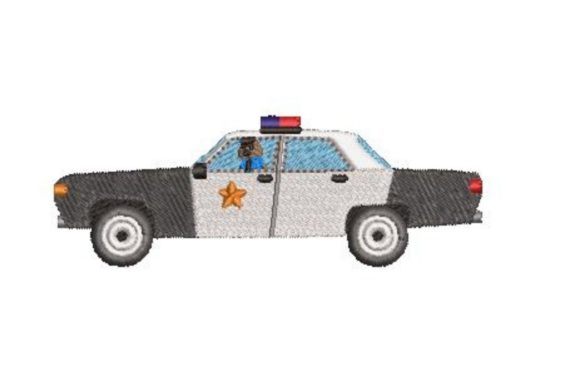
The concept of a police car driven by an ant immediately strikes a unique chord. It’s inherently playful and whimsical, landing squarely in a niche that feels creative and memorable. For a business, this suggests a brand personality that is friendly, approachable, and perhaps a bit quirky. It doesn’t scream “corporate” or “ultra-serious,” which is perfect for boutique shops, creative studios, cafes, pet brands, or any local business wanting to stand out with a sense of humor. The juxtaposition of a symbol of authority (the police car) with a tiny, industrious creature (the ant) creates a visual story that can resonate with customers looking for something beyond a generic logo.
Real-World Business Applications for Police Ant
The true test of any digital embroidery file is its performance across real products. Here’s where Police Ant shows its potential for small business merch.
Embroidered Patches for Brand Consistency
This design is a prime candidate for a custom embroidered patch. Patches are versatile assets; they can be affixed to staff aprons in a bakery, sewn onto the sleeves of work shirts for a gardening service, or used as a product label on handmade tote bags from an Etsy seller. The clear, illustrative nature of the Police Ant scenario makes it easily recognizable even at smaller sizes, fostering brand recognition. A florist could use it as a playful accent on delivery driver uniforms, while a children’s boutique might add it to product packaging as a charming detail.
Apparel & Cap Embroidery for Team Identity
For chest logos or sleeve details on staff uniforms, Police Ant can inject personality without sacrificing professionalism. On a simple black apron for a café, a brightly colored rendition of this design would become a focal point, making staff easily identifiable and adding a premium, custom feel. Cap embroidery is another strong application, provided the design’s dimensions are suitable for the curved front of a cap. It can serve as a unifying emblem for event staff or a creative studio team.
Tote Bags, Product Mockups, and Customer Gifts
This design translates beautifully into tote bag embroidery, creating a unique, branded merchandise item that customers might purchase. Its whimsical nature makes it ideal for “thank you” gifts or loyalty rewards. Furthermore, a well-executed embroidered sample of Police Ant is perfect for creating printable mockups for online stores, showing potential buyers exactly how the finished product on a bag or shirt will look, boosting buyer engagement and trust.
Critical Considerations for Professional Use
While the creative potential is high, practical execution dictates success. Here are key points an embroidery designer would scrutinize before running a commercial embroidery project with this file.
Size, Density, and Fabric Compatibility
The most crucial test: Does Police Ant work effectively at a small patch size? Detailed outlines and small elements, like the ant’s features or car details, must remain clear and not become a muddled blob of thread. High stitch density in a small area can lead to stiffness and fabric puckering, especially on curved surfaces like caps or textured fabrics like canvas totes. I always advise testing the design at the intended final size on real fabric scraps first. Using the proper stabilizer for the base material is non-negotiable for a clean finish.
Thread Color Strategy and Contrast
The design’s impact hinges on thread color contrast. On dark uniforms or bags, you’ll need a strategic color palette—perhaps bright, contrasting threads for the car and ant—to ensure visibility. I recommend testing a monochrome or black-and-white version first to understand the core structure and silhouette. Then, build a color scheme that aligns with your brand identity while ensuring all elements pop. Remember, items like work shirts or aprons may need frequent washing; color choices should consider longevity.
Integration with Overall Design Assets
Before committing, place a mockup of the Police Ant embroidery beside your other brand assets. Does it complement your primary logo? Does it enhance your handmade presentation or clash with it? For a cohesive brand identity, this emblem should feel like a natural extension, an accent piece that adds value and visual consistency without confusing the core message.
The Brand Identity Impact of Police Ant
Adopting a distinctive design like this for your merchandise isn’t just about decoration; it’s a brand-building decision. It signals to customers that your business values creativity and attention to detail. A custom embroidered patch or logo accent using this file elevates a simple product—like a plain apron or tote—into a premium, branded item, increasing its perceived value. It fosters a sense of trust and professionalism because it shows investment in a unique identity. For a handmade brand or Etsy seller, it moves beyond a digital graphic to a tangible, textured artifact that customers can touch and wear, deepening their connection to your story.
Final Designer Notes for Business Readiness
My workflow before any business application includes several non-creative but vital steps. First, confirm the commercial licensing for the embroidery file. The product description mentions it comes with multiple embroidery file formats for use with multiple machines, but the specific license terms for business reproduction must be clear. Second, verify the supported hoop sizes from the file details to ensure your equipment can handle it. Third, create a physical sample and a digital mockup for client or internal approval—never assume a design file will perform exactly as imagined. Finally, compare the stitch execution on different fabrics: a polo shirt for a uniform, the thick weave of an apron, and the structured surface of a cap. Each will behave differently.
In summary, Police Ant is a machine embroidery design with strong potential for small businesses seeking playful, memorable branding. Its success hinges on practical testing for size and fabric, strategic color planning, and seamless integration into your broader brand world. When executed with care, it can transform from a simple digital embroidery file into a powerful asset for custom apparel, patches, and merchandise that tells a unique story and engages your community.