I Came I Saw I Sold: A Designer’s Review for Boutique Apparel
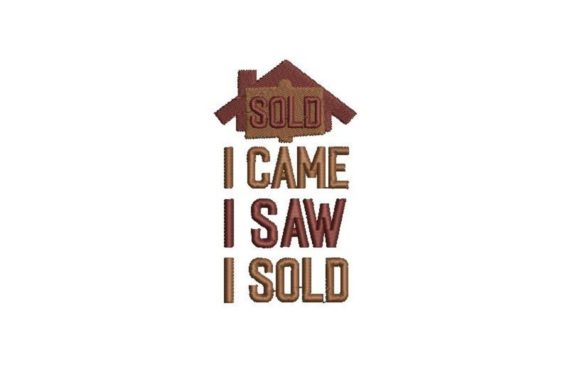
As an embroidery designer planning a new sweatshirt collection for my small shop, I constantly look for designs that blend strong visual personality with practical embroidery ease. When I first saw the I Came I Saw I Sold machine embroidery design on Creative Fabrica, its cheerful, declarative statement immediately stood out as a potential cornerstone for a line of casual, confidence-boosting apparel.
The Visual Mood and Design Integrity
The phrase “I Came I Saw I Sold” carries a playful yet bold energy. It feels less aggressive than its historical counterpart, leaning instead into a modern, entrepreneurial spirit. This makes it incredibly versatile for a boutique brand targeting makers, sellers, and creative entrepreneurs. The design’s aesthetic strikes a balance between trendy and classic—it’s not overly feminine, rustic, or minimal, but sits comfortably in a casual-bold space that appeals to a wide audience.
From a purely visual standpoint, the design promises good decorative strength. It’s a text-based design, so its impact hinges entirely on the quality of the digitizing. The product description notes it is “very well digitized and easy to embroider,” which is the first box I need checked. A poorly digitized font can ruin the flow of stitching on apparel, especially on stretchy fabrics like sweatshirt fleece. The promise of easy embroidery suggests the stitch density is managed well, without overly dense areas that could pucker or stiffen a soft garment.
Placement and Application for Sweatshirts & Hoodies
My primary focus is a capsule collection of neutral sweatshirts and pastel hoodies. For these, I envision I Came I Saw I Sold working beautifully as a central chest design. On an oversized, cozy garment, this statement becomes a focal point—it’s readable, engaging, and adds value beyond a simple graphic. It transforms a basic sweatshirt into a piece of boutique merchandise with a personality.
The design also has potential as a sleeve accent or a smaller back design, especially on darker apparel like black or navy hoodies. The key here will be testing the stitch-out on scrap fabric first. On dark garments, thread color contrast becomes crucial. A bright, cheerful white or pastel thread would make the design pop, enhancing its intended mood.
For t-shirts, the same chest placement applies, but careful testing on the lighter, often more stretchy t-shirt fabric is essential. The “easy to embroider” claim needs verification here to ensure the design doesn’t distort on the softer, less stable base.
Beyond Apparel: Totes, Jackets, and Brand Extensions
To build a cohesive brand identity and offer a range of products, this design can extend to tote bags and denim jackets. On a tote bag, it acts as both a functional item and a statement piece for the customer, reinforcing the entrepreneurial theme. On a denim jacket’s back panel, it gains a rustic, playful edge. These extensions help with visual consistency across your shop and improve product recognition.
From a commercial standpoint, using a well-digitized design like this across multiple products (sweatshirts, hoodies, totes) streamlines production and presents a professional, curated collection. This consistency builds buyer trust and enhances your shop’s presentation in lifestyle product photos, printable mockups, and Etsy listings.
Practical Considerations for Professional Results
Even with a design described as easy to embroider, professional practice is non-negotiable. Before committing to a production run, I always:
- Test the embroidery file on scrap fabric identical to my final garment fabric.
- Check stabilizer choice—for sweatshirt fleece or ribbed fabric, a sturdy cutaway is often necessary.
- Review the hoop size needed. The product comes with multiple embroidery file formats, which is excellent for machine compatibility, but I must confirm the actual design dimensions from the Creative Fabrica product details.
- Inspect the stitch density on the test piece, particularly in the lettering, to ensure it’s not too dense for stretchy fabrics or curved surfaces like sleeves.
- Compare placement options on the actual garment to avoid areas that may stretch or wrinkle excessively.
The description advises it can “add a cheerful touch to your creative projects,” and that’s the core of its value. For an Etsy seller or small shop owner, this design can elevate a simple custom apparel item into a conversation-starting product that fosters customer engagement.
Where to Use This Design Carefully
While versatile, text-based designs require strategic placement. Small chest placements on tighter garments might make the lettering too cramped. The potential for tiny lettering details means it might not translate well to very small sizes. Always test on the specific garment type. Dense stitch areas, if present, could be problematic on lightweight tees or highly textured fleece.
For dark garments, as mentioned, thread choice is paramount to maintain the cheerful aesthetic. And because it’s a statement, its placement on the back of a hoodie or the front of a sweatshirt should be deliberate—it’s meant to be seen and read, so placing it on a highly curved or obscured surface might dilute its impact.
Final Designer Notes for Your Collection
Integrating I Came I Saw I Sold into a boutique apparel line requires viewing it as both a design element and a branding tool. Its message aligns perfectly with the ethos of handmade businesses and creative entrepreneurs. By ensuring a quality stitch-out through proper testing and material selection, you can create a range of commercial embroidery products that feel premium and intentional.
Always remember to check the full Creative Fabrica product details and licensing before selling finished apparel. The availability of multiple embroidery file formats is a significant advantage for workflow, but confirming the specific formats and any use terms is part of responsible digital embroidery file management. When executed well, this design can be a simple, effective cornerstone for a cohesive and engaging seasonal outfit collection.