A First Look at the Arabesque Geometry Embroidery Design
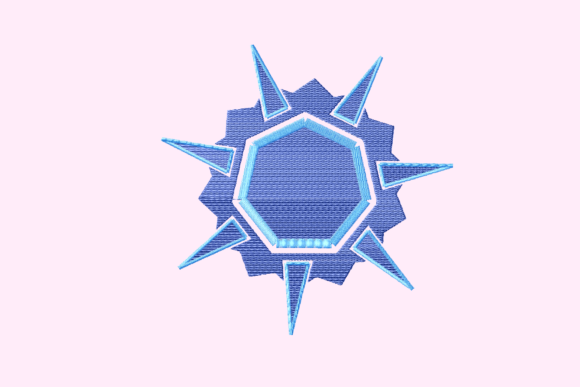
When a new embroidery file lands on my desktop, my first instinct isn't to simply open it. I look at the name. Arabesque Geometry. That’s a promising start. It suggests a blend of flowing, organic curves with precise, structured lines—a combination I often find creates designs with both visual warmth and a clean, modern edge. Before stitching a single thread, the name alone conjures images of elegant home decor, sophisticated apparel, and gifts that feel thoughtfully crafted rather than mass-produced.
The Design’s Immediate Mood and Visual Personality
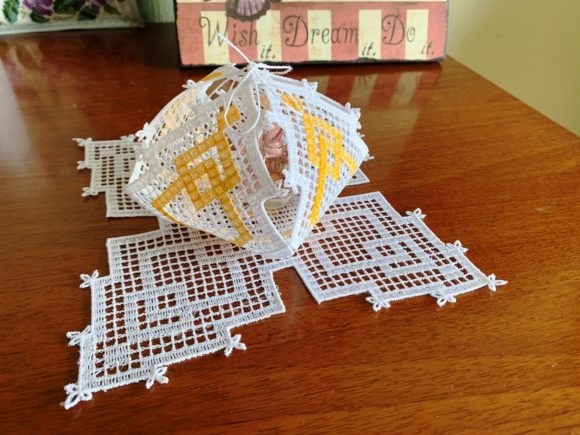
Opening the file, my initial impression confirms the name’s promise. The design feels balanced and intricate without being overwhelmingly dense. There’s a rhythm to the layout, a repetition of flowing forms that interlock to create a larger, cohesive pattern. This isn’t a chaotic, free-form motif; it’s an organized elegance. The level of detail suggests it belongs to the Intricate Cuts category thoughtfully—it has complexity, but it looks achievable. The mood it creates is one of calm sophistication. It’s not overly feminine or masculine; it has a universal, decorative appeal that would elevate a product’s perceived value instantly.
This visual personality makes it a natural fit for projects where aesthetic presentation is paramount. Think of a linen pillow cover for a boutique home goods shop, a heavyweight cotton tote bag for a craft fair, or the centerpiece on a high-quality apron for a small culinary brand. It’s a design that tells a customer, “This item was made with care.”
Where Arabesque Geometry Excels in Real Projects
Let’s walk through a real scenario. I’m considering this for a custom embroidered tote bag, a staple for many small shop owners and Etsy sellers. The design’s geometric yet flowing nature means it won’t look stiff or out of place on fabric. Its intricacy provides that “handmade” detail buyers often seek, differentiating the bag from a plain, store-bought one. On a solid-color, natural canvas bag, the satin stitches and fill stitches defining the pattern would pop beautifully, creating a product that feels both useful and artistic.
This versatility extends far beyond tote bags. For custom apparel, like a high-quality sweatshirt, the design offers substantial visual impact without being overly loud. It could serve as a sophisticated brand logo for a creative entrepreneur’s merchandise line. For personalized gifts, imagine it embroidered on a luxe kitchen towel or a baby blanket—it adds a touch of timeless decoration that avoids being too theme-specific or childish. As an embroidered patch, it could be stunning, lending itself to everything from denim jackets to backpack accents. Its decorative nature makes it a strong candidate for holiday embroidery on special gifts, where you want the item to feel unique and lasting.
For digital product sellers creating printable mockups or design assets, the clean, repeatable pattern of Arabesque Geometry provides a reliable, professional visual element. It would integrate well into mockups for mugs, journals, or apparel, helping to sell the concept of a finished product before it’s even stitched.
Practical Performance Considerations
In practical embroidery situations, a design like this needs to hold its clarity. The interlocking elements mean there are likely corners and smaller spaces where stitch direction changes. On textured fabrics like linen or tweed, these details will still show beautifully if you use a proper stabilizer. On smooth cottons or polos, it will look crisp and defined. For commercial embroidery projects where consistency across dozens of items is key, this design’s balanced layout should stitch reliably, provided your machine handles the intended stitch density well.
Spots Where a Careful Approach is Needed
No design is universally perfect, and a thoughtful review means noting where to proceed with caution. The intricate nature suggests it might struggle on very small hoop sizes. If you’re thinking of miniaturizing it for a cap’s curved surface or a baby item’s tiny corner, you must test first—some of those lovely flowing lines could lose definition or become overly dense.
Dark fabric is another consideration. While it would look striking, the choice of thread colors becomes critical. A single high-contrast color might render it beautifully, but if the design internally uses many subtle shade changes, those could be lost on a dark background. Similarly, on stretchy fabric like a t-shirt, the stability of the embroidery area is paramount to prevent the geometric lines from distorting after wear and washing.
Products that need frequent washing, like tea towels or everyday apparel, also require a stitch density that can withstand that abuse. Too dense, and it becomes stiff; too sparse, and it might wear quicker. The design’s aesthetic suggests durability, but only a test on your intended fabric will confirm that.
The Impact on Your Business and Your Customer
From a business perspective, using a design like Arabesque Geometry affects more than just the stitch. It elevates your product’s visual appeal and perceived craftsmanship. For a customer, it communicates a level of care and attention that builds customer trust. It makes a handmade presentation feel more intentional and professional. If you’re building a brand, this kind of consistent, elegant design element aids in brand consistency across your product line.
Its giftability is high because it’s decorative without being tied to a specific event or person—it’s simply beautiful. This broad appeal can increase buyer engagement in your online listings or craft fair booth. People recognize quality, and a well-executed intricate design is a clear signal of it.
Essential Designer Notes Before You Hoop Your Fabric
My final advice, before you run this machine embroidery design on a client’s order or your own new product, is always to do your homework. Test the design on scrap fabric first, using the same material and stabilizer you plan for the final project. This will reveal any issues with stitch density or the behavior of small details.
Check thread color contrast against your background fabric. Create simple black and white mockups to see how the form holds without color. Compare how it might look on both light and dark backgrounds to choose the best application.
Always confirm hoop size requirements and your machine’s compatibility. And, crucially for craft business owners and Etsy sellers, confirm licensing before selling finished items or incorporating the design into commercial projects. Understand whether the embroidery file is for personal use, commercial use, or both.
Arabesque Geometry has the inherent qualities to become a standout element in your work. Its balanced intricacy offers a sophisticated touch for home decor, apparel, and gifts. By approaching it with these practical considerations, you can ensure it stitches beautifully, lasts, and truly enhances your final product.